
Mitsubishi ASX used buying guide Australia
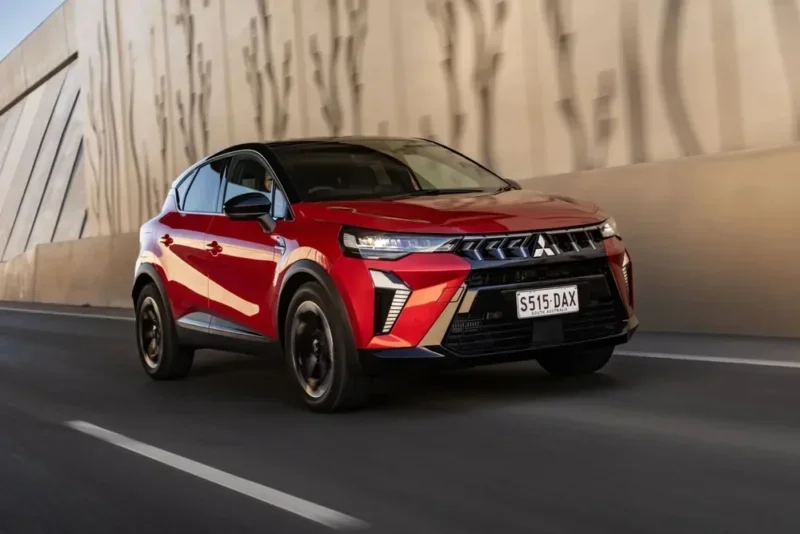
The Mitsubishi ASX has carved a solid niche in the Australian compact SUV market since its launch, offering practicality and value. For used car buyers, this model presents a reliable and efficient option, particularly for city driving and family use. However, navigating the second-hand market requires careful consideration of its specific quirks and common issues. This guide offers key insights for Australian buyers, covering model years, pricing, and essential checks. From the drivetrain options to interior features, understanding these aspects ensures a smart purchase. Whether you prioritize fuel economy or safety, knowing the ASX’s strengths and weaknesses helps you secure a dependable vehicle.
- What to Know Before Buying a Used Mitsubishi ASX in Australia
- Mitsubishi ASX Used Buying Guide Australia: Key Considerations and Model Insights
- Common Issues to Check in a Used Mitsubishi ASX
- Cost of Ownership for a Used Mitsubishi ASX in Australia
- Comparison of the Mitsubishi ASX with Other Used Compact SUVs
- Common Reliability Issues by Model Year
- Key Inspection Points Before Purchasing a Used ASX
- Cost of Ownership and Parts Availability
- Key Mechanical Components to Inspect in a Used Mitsubishi ASX
- Common Known Issues and Recalls for the Mitsubishi ASX in Australia
- Service History and Documentation Best Practices for a Used ASX
- Powertrain and Drivetrain Reliability
- Structural and Corrosion Concerns
- Electrical and Comfort System Failures
- Frequently Asked Questions
What to Know Before Buying a Used Mitsubishi ASX in Australia
The Mitsubishi ASX remains one of Australia’s most popular small SUVs, prized for its proven mechanical reliability, spacious interior, and competitive pricing on the used market. When shopping for a used ASX, prioritise models from 2015 onwards, as these received a facelift with improved interior quality and safety features. Key aspects to inspect include the vehicle’s service history—particularly for the CVT transmission on petrol models—and any signs of suspension wear, which is common on Australian roads. Also verify that the car has no outstanding finance and that the parking sensors or camera are fully functional. The ASX offers good value for money, but careful model selection and a pre-purchase inspection by a trusted mechanic are essential to avoid hidden issues.
Which Mitsubishi ASX Model Years and Engines Are Best to Buy Used?
The 2015 to 2020 Mitsubishi ASX models represent the sweet spot in the used market, combining a refined interior, updated safety electronics, and the dependable 2.0-litre 4B11 petrol engine. This engine produces 110kW and pairs with either a 5-speed manual or a CVT automatic; the CVT is reliable if serviced every 40,000 km but can be expensive to replace if neglected. The diesel option, available from 2015 to 2018, offers better torque for towing (up to 1,300kg braked) but requires diligent DPF maintenance for city driving. Avoid early 2013-2014 models due to a coarser interior and outdated infotainment, and be cautious of 2020+ units with the 1.5-litre petrol turbo, which introduced direct injection requiring more frequent carbon cleaning.
What Are Common Reliability Issues and Inspection Points for a Used ASX?
While generally reliable, the Mitsubishi ASX has several known weaknesses to check during a used car inspection. Listen for CVT whining noises during acceleration, which signal wear; a smooth, quiet transmission at all speeds is vital. Suspension components, particularly rear shock absorbers and front control arm bushes, tend to wear prematurely on rough Australian roads, causing a clunking sound over bumps. Also inspect the air conditioning for weak cooling— often due to a failing condenser—and test the infotainment screen for delamination or unresponsive touch (common in early models). Check for rust under the spare tyre well, moisture in the taillights, and ensure all electrical windows and mirrors operate without delay.
What Is the Ownership Cost and Resale Value of a Used ASX in Australia?
Owning a used Mitsubishi ASX in Australia is generally very economical, with average annual servicing costs ranging from $350 to $450 at a dealer or independent mechanic. Parts are widely available and affordable, with major service intervals every 15,000 km or 12 months. Fuel economy is acceptable: the 2.0 petrol averages 7.5-8.5 L/100km in mixed driving, while the diesel returns about 5.5 L/100km on the highway. Insurance premiums are low, typically $600-$900 per year for comprehensive cover. Resale value holds well compared to rivals, especially for the ASX LS and Exceed grades with full service history, which depreciate at a slower rate than base-model variants. The 5-year/130,000 km warranty (from new) is transferable to subsequent owners.
This content may interest you!
| Model Year | Best Engine Option | Common Issue | Estimated Price Range (AUD) |
|---|---|---|---|
| 2015-2017 | 2.0L Petrol | CVT noise, suspension wear | $12,000 - $18,000 |
| 2018-2020 | 2.0L Petrol | Infotainment screen issues | $18,000 - $25,000 |
| 2015-2018 | 2.2L Diesel | DPF blockages (city use) | $15,000 - $22,000 |
| 2020-2023 | 1.5L Turbo Petrol | Direct injection carbon build-up | $24,000 - $32,000 |
Mitsubishi ASX Used Buying Guide Australia: Key Considerations and Model Insights
Is the Mitsubishi ASX a Good Used Buy in Australia?
The Mitsubishi ASX is a reasonable used buy in Australia, particularly for those prioritizing affordability, reliability, and low running costs over driving excitement or modern technology. Since its Australian launch in 2010, the ASX has remained largely unchanged in design and platform, which means used examples are predictable and parts are widely available. Its cabin is practical but dated, with hard plastics and a basic infotainment system, especially in earlier models. The 2.0-liter petrol engine, common in most used ASX units, offers adequate performance for city driving but lacks power for overtaking on highways. The continuously variable transmission (CVT) can be noisy under hard acceleration. On the positive side, the ASX has a reputation for durability, and its compact size makes it easy to park. Safety features improved over the years, with later models adding autonomous emergency braking. Used prices are competitive, often undercutting rivals like the Hyundai Kona or Mazda CX-30. However, fuel economy is not class-leading, and the interior feels cramped for rear-seat passengers. Overall, the ASX is a solid choice for budget-conscious buyers seeking a no-frills, dependable vehicle, but it is not the best option for those wanting modern amenities or sporty handling.
Common Issues to Check in a Used Mitsubishi ASX
Potential Mechanical and Electrical Problems
When inspecting a used Mitsubishi ASX, several common issues have been reported by Australian owners. The CVT transmission, particularly in early models, can exhibit hesitation or shuddering during acceleration, though regular fluid changes mitigate this. Rust around the tailgate and wheel arches has been noted in vehicles exposed to coastal environments. Electrical gremlins, such as malfunctioning window regulators or dashboard warning lights, are occasional complaints. Additionally, the air conditioning compressor may fail prematurely, leading to costly repairs. Suspension components like rear shock absorbers tend to wear out after 60,000 to 80,000 kilometers, causing a bouncy ride. Engine problems are less frequent, but the timing chain tensioner can produce a rattling noise on some units.
- Inspect the CVT transmission for smooth operation and request service records.
- Check the tailgate and wheel arches for signs of rust or corrosion.
- Test air conditioning system cold performance and listen for compressor noise.
Cost of Ownership for a Used Mitsubishi ASX in Australia
Maintenance, Fuel, and Insurance Expenses
The Mitsubishi ASX is generally affordable to own in Australia. Parts are inexpensive and widely accessible due to the model’s long production run. Regular servicing every 15,000 kilometers or 12 months is recommended, with major services at specific intervals costing around $400 to $800. Fuel consumption for the 2.0-liter petrol variant averages 7.5 to 8.5 liters per 100 kilometers in mixed driving, which is acceptable but not exceptional. Insurance premiums are moderate, typically lower than for newer compact SUVs, because the ASX is classified as a low-risk vehicle. Tyres are budget-friendly, and routine items like brakes and batteries are competitively priced. However, be prepared for higher costs if the previous owner neglected maintenance, especially for CVT fluid changes.
- Budget about $400-$800 for major scheduled services at certified mechanics.
- Anticipate fuel costs of around $1,800 to $2,200 per year based on average driving.
- Get insurance quotes to compare comprehensive coverage, as rates vary by location.
Comparison of the Mitsubishi ASX with Other Used Compact SUVs
How It Stacks Up Against Rivals
In the Australian used market, the Mitsubishi ASX competes with models like the Subaru XV, Nissan Qashqai, and Hyundai Kona. The ASX is typically cheaper than most rivals, making it a value leader for entry-level buyers. Its reliability is on par with the Subaru XV but falls short of the Honda HR-V, which has a more refined interior. The ASX’s boot space is 393 liters, which is competitive, but the Qashqai offers a roomier back seat. Fuel efficiency is similar to the Kona but inferior to the diesel variants of the Qashqai. The ASX’s safety features lag behind newer models like the Kona, which gained higher ANCAP ratings in later years. The ASX’s major advantage is its drivetrain simplicity and lower repair costs over time.
- Compare upfront purchase price to the average used price of the Subaru XV.
- Evaluate rear passenger comfort against the spacious Nissan Qashqai.
- Check ANCAP safety ratings for the model year versus the Hyundai Kona.
Is a used Mitsubishi ASX a reliable choice in Australia? Key factors to consider in your buying guide.
A used Mitsubishi ASX can be a reliable choice in Australia, but its dependability largely depends on the model year, service history, and specific engine variant. The ASX, essentially a rebadged Mitsubishi RVR sold globally, has been on the Australian market since 2010. It is known for its affordability, practicality, and proven mechanical underpinnings shared with the Lancer and Outlander. The most common engine is the 2.0-liter 4B11 petrol unit, which is generally robust when serviced regularly, though some owners report issues with CVT transmissions in earlier models. Key factors to consider include the vehicle's service logbook, checking for rust or wear in suspension components (common in Australian conditions), and verifying whether any recall work (like on the brake booster) has been completed. Models from 2016 onwards tend to have fewer reported problems due to incremental updates. A pre-purchase inspection by a qualified mechanic is strongly recommended, especially for cars over 100,000 kilometers, as the timing chain tensioner and air conditioning compressor can be failure points at higher mileages.
This content may interest you!
Common Reliability Issues by Model Year
Identifying the Most Frequent Problems in Different Production Generations
The Mitsubishi ASX has undergone several updates, and reliability issues vary significantly by year. The first generation (2010-2015) is prone to problems with the continuously variable transmission (CVT), especially in models with higher mileage, where shuddering or hesitation during acceleration is reported. The air conditioning system in these early models also has a noted weakness, with compressor failures occurring around 80,000 to 120,000 kilometers. For the facelifted version (2016-2019), the CVT was revised, making it more durable, but some owners report issues with the infotainment screen freezing or delaminating. The latest generation (2020-present) has fewer widespread issues, though there have been isolated reports of battery drain problems and premature wear on rear brake pads. Overall, models built after 2016 offer the best balance of reliability and modern features.
- 2010-2015 models: CVT shudder, AC compressor failure, suspension strut top mounts wear.
- 2016-2019 models: Infotainment screen failures, rear brake pad wear, occasional oil leaks from valve cover gasket.
- 2020-present models: Battery drain concerns, intermittent electronic parking brake faults, and minor software glitches.
Key Inspection Points Before Purchasing a Used ASX
What to Check on the Vehicle to Ensure Long-Term Reliability
When evaluating a used Mitsubishi ASX in Australia, a thorough physical and mechanical inspection is crucial. Start by examining the service history; genuine Mitsubishi parts and dealership services are preferable, but any consistent logbook evidence is acceptable. The CVT transmission fluid should have been changed every 60,000 to 80,000 kilometers; if the seller cannot prove this, budget for an immediate fluid change. Check the underbody for rust, especially in coastal areas like Queensland or parts of Victoria, as the ASX's floorpan can corrode if exposed to salt. Listen for timing chain rattles on cold starts, which can indicate tensioner wear. Finally, test all electronic functions, including the electric mirrors, windows, and the rear seat folding mechanism, as these are common failure points. A test drive should include smooth acceleration from a stop and constant speeds, verifying no vibrations or unusual noises from the drivetrain.
- Verify the CVT service history with receipts or logbook stamps.
- Inspect the underbody for rust on the subframe and suspension mounting points.
- Listen for a rattle from the timing chain area during a cold start-up.
- Check the air conditioning for cold output, as compressor failures are common.
- Test all electrics: windows, mirrors, audio system, and rear seat latch.
Cost of Ownership and Parts Availability
Budgeting for Maintenance, Insurance, and Long-Term Repairs in Australia
The Mitsubishi ASX is generally affordable to run in Australia, but costs can accumulate with certain age-related repairs. Routine servicing, including oil changes, air filters, and brake pads, is inexpensive due to widespread parts availability from suppliers like Repco, Supercheap, and Mitsubishi dealers themselves. A major service at 100,000 kilometers, which includes a CVT fluid change, coolant flush, and spark plug replacement, can cost between 800 and 1,200 AUD. Insurance premiums are moderate, typically falling into the mid-range for compact SUVs. However, replacement parts for the CVT transmission can be costly if it fails, with a refurbished unit costing around 3,000 to 5,000 AUD. Suspension components, such as front control arms and shock absorbers, are also common wear items after 80,000 kilometers, each costing 300 to 600 AUD for replacement. Budget for an annual maintenance reserve of 1,000 to 1,500 AUD to cover unexpected repairs on higher-mileage examples.
- Routine service cost: 250-400 AUD per minor service (oil, filter, inspection).
- CVT transmission repair/replacement: 3,000-5,000 AUD if not maintained.
- Typical insurance cost: 800-1,200 AUD per year for comprehensive coverage.
- Common suspension wear: front control arm replacement at 300-500 AUD each side.
- Fuel economy: around 7.5-8.5 L/100km combined, costing roughly 1,600 AUD annually at current prices.
What should I look for in a used Mitsubishi ASX when buying in Australia?
When evaluating a used Mitsubishi ASX in Australia, focus on the vehicle's mechanical condition, service history, and common issues specific to this model. Check for consistent logbook servicing, especially with the continuously variable transmission (CVT) and timing chain components. Inspect for signs of wear on the suspension, brakes, and tires, as well as any rust or paint damage from Australian road conditions. Verify that all recalls have been addressed, particularly regarding airbags or steering components. A pre-purchase inspection by a trusted mechanic is highly recommended to assess potential problems like CVT shudder or excessive oil consumption.
Key Mechanical Components to Inspect in a Used Mitsubishi ASX
Engine, Transmission, and Drivetrain Condition
The engine in the Mitsubishi ASX, typically a 2.0-litre or 2.4-litre petrol unit, should run smoothly without unusual noises, rough idling, or smoke. Pay special attention to the CVT transmission, as it can develop hesitation, shuddering, or slipping, especially around 100,000 to 150,000 kilometres. Test drive on both flat roads and inclines to gauge response. Listen for whining or grinding sounds from the transmission, which may indicate wear. Additionally, check the drivetrain on all-wheel-drive versions for unusual vibrations or clicking noises when turning.
This content may interest you!
- Check engine oil level and colour; dark or dirty oil may indicate neglected changes.
- Test for CVT shudder by accelerating gradually from a stop and feeling for vibrations.
- Listen for whining sounds from the front differential or transfer case in AWD models.
Common Known Issues and Recalls for the Mitsubishi ASX in Australia
Recalls, Rust, and Electrical Faults to Watch For
The Mitsubishi ASX has had several recalls in Australia, including issues with the passenger airbag assembly, steering column parts, or fuel system components. Verify that these have been fixed by checking the vehicle identification number (VIN) with a dealership or the Australian government recall database. Rust can appear around the rear wheel arches, bonnet edges, and underbody, especially in coastal areas. Electrical problems such as faulty window regulators, failing door locks, or malfunctioning dashboard warning lights are also reported. Inspect the interior for any water damage or mould, which could indicate leaks from the sunroof or door seals.
- Cross-check the VIN against official recall records on the Australian government website.
- Examine the rear wheel arches and underbody for bubbles, flaking paint, or corrosion.
- Operate all windows, locks, and dashboard functions to confirm they work correctly.
Service History and Documentation Best Practices for a Used ASX
Logbook Records, Timing Chain Care, and Fluid Changes
A full logbook service history from a Mitsubishi dealer or qualified mechanic is essential, as it shows that the vehicle was regularly maintained. The ASX uses a timing chain, which typically does not require replacement but should have had regular oil changes to prevent stretching or tensioner failure. Ensure that the CVT fluid was changed as per the manufacturer's schedule, often every 40,000 to 60,000 kilometres, as neglect can lead to costly repairs. Look for evidence of major services like spark plugs, coolant, brake fluid, and air filter replacements. Any gaps in service or repairs done by previous owners should be questioned.
- Confirm that the logbook includes stamped services at the recommended intervals.
- Ask for receipts or records of CVT fluid changes and timing chain inspections.
- Verify that the vehicle has had at least one major service around 80,000 to 100,000 kilometres.
What are the most common issues to check in a used Mitsubishi ASX in Australia?
The most common issues to check in a used Mitsubishi ASX in Australia include potential problems with the continuously variable transmission (CVT), which may exhibit shuddering or hesitation during acceleration, particularly in models from 2010 to 2015. Another frequent concern is excessive oil consumption, often reported in the 2.0-liter 4B11 engine, where owners notice the need for top-ups between services. Rust and corrosion, especially around the rear suspension mounts and chassis underbody, are prevalent in vehicles exposed to coastal environments or road salt. Electrical faults, such as malfunctioning infotainment screens or erratic power window operation, also appear regularly. Additionally, premature wear of the front suspension components, like strut mounts and control arm bushings, is common, leading to knocking noises over bumps. Checking these areas during a pre-purchase inspection is crucial for assessing long-term reliability.
Powertrain and Drivetrain Reliability
Transmission and Engine Performance
The Mitsubishi ASX's CVT can suffer from slipping or jerking, especially after 80,000 to 100,000 kilometers, often due to neglected fluid changes. Engine issues include timing chain tensioner noise in earlier models and carbon buildup on intake valves in later direct-injection variants. A thorough test drive and fluid condition check are essential.
- Inspect CVT fluid for burnt smell or discoloration, indicating overheating or wear.
- Perform a stall test to check for transmission slippage under load.
- Listen for rattling from the timing chain area on cold starts, which may signal tensioner failure.
Structural and Corrosion Concerns
Rust on Chassis and Body Panels
Rust is a frequent issue in Australian-used ASX models, particularly around the rear shock absorber towers and the spare wheel well. Surface corrosion on subframe components can compromise structural integrity over time. Coastal region vehicles or those driven on unsealed roads are more susceptible.
This content may interest you!Best battery for Mitsubishi ASX Australia- Examine rear suspension mounting points for bubbling paint or flaking metal.
- Check under floor mats and carpet in the boot area for moisture or rust stains.
- Scrape any visible rust patches on the underbody with a screwdriver to assess depth.
Electrical and Comfort System Failures
Infotainment and Power Accessories
The factory infotainment unit in earlier ASX models (2010-2015) commonly suffers from screen freezing, Bluetooth pairing failures, and unresponsive touch controls. Power window regulators may fail intermittently, and the air conditioning compressor can develop clutch issues. Battery drain problems due to parasitic loads are also reported.
- Test all infotainment functions, including navigation, sound output, and USB connectivity.
- Operate each power window multiple times to confirm smooth and consistent movement.
- Monitor air conditioning cooling performance during a 10-minute drive and listen for unusual compressor noises.
Frequently Asked Questions
What are common issues to check when buying a used Mitsubishi ASX in Australia?
Common issues include CVT transmission judder at low speeds, especially in earlier models (2010-2015). Check for rust in the rear wheel arches and tailgate hinges, as well as worn suspension bushings. The 2.0L petrol engine is generally reliable but listen for timing chain noise. Ensure the diesel variant’s DPF (diesel particulate filter) is functioning properly. Request service history for CVT fluid changes at 50,000 km intervals.
Which Mitsubishi ASX model years are best to buy used in Australia?
The 2016-2019 models are the safest bets due to improved CVT reliability and better standard safety features like reverse cameras and stability control. The 2020 facelift offers more modern infotainment. Avoid 2010-2012 base models due to less stringent safety specs. For diesel fans, 2015-2018 1.8L Di-D is decent but requires careful DPF checks. Petrol 2.0L is most common and easiest to maintain.
What should I inspect during a test drive of a used Mitsubishi ASX?
Accelerate smoothly to detect CVT hesitation or shuddering. During braking, feel for warped rotors caused by wear. Listen for creaks from rear suspension when driving over uneven surfaces, a typical issue. Test all electronics: air conditioning, power windows, and infotainment screen responsiveness. Check for inconsistent power delivery under load. Review the service log for brake fluid and transmission fluid changes every 50,000 km.
Is the Mitsubishi ASX expensive to maintain in Australia compared to rivals?
No, the ASX is cost-effective to service. Many mechanics outside dealerships can handle repairs due to shared parts with Lancer and Outlander. Servicing costs average $600-$850 annually at independent shops, versus $400-$500 for a Toyota Corolla Cross. Common replacement parts like alternators cost approximately $400-$550. Stick to genuine or quality aftermarket parts for reliability. The five-year/130,000 km warranty (on newer models) still applies in some secondhand cases.
This content may interest you! Things to check before buying a used Isuzu D-Max
Leave a Reply