
Best used Isuzu D-Max to buy Australia

When searching for the best used Isuzu D-Max to buy in Australia, reliability and durability are paramount. Known for its robust diesel engines and proven off-road capability, the D-Max has become a favorite among tradies and adventurers alike. Models from 2016 onward offer improved safety features and towing capacity, with the 2018-2020 range presenting excellent value. Key considerations include the 3.0L turbo-diesel engine's longevity and the availability of both crew cab and space cab variants. Prioritize vehicles with full service history and check for common issues like clutch wear in manuals or rust in older models, ensuring a wise investment.
- Best Used Isuzu D-Max Models to Buy in Australia
- Top Recommended Used Isuzu D-Max Models to Buy in Australia
- Key Factors Evaluating Used Isuzu D-Max Models in Australia
- Common Problem Areas to Inspect in Used D-Max Models
- Trim Level Comparisons and Value Retention in Australia
- Engine and Drivetrain Reliability Concerns
- Suspension, Chassis, and Rust Inspection
- Four-Wheel Drive System and Electrical Gremlins
- Key Factors Behind the Class Action Lawsuit Against Isuzu Australia
- How the Lawsuit Affects the Best Used Isuzu D-Max to Buy in Australia
- Identification of the Affected Model Years and Engine Types
- Adjusting Your Budget and Inspection Process
- Expect Higher Inspection and Negotiation Leverage
- Warranty, Goodwill Repairs, and Long-Term Liability
- Understanding Isuzu's Response and Your Consumer Rights
- What are the common drawbacks of the best used Isuzu D-Max models to buy in Australia?
- Common Reliability and Mechanical Issues in Used Isuzu D-Max Models
- Interior Comfort and Technology Limitations
- Suspension, Handling, and Ride Quality Drawbacks
- Frequently Asked Questions
Best Used Isuzu D-Max Models to Buy in Australia
When searching for the best used Isuzu D-Max to buy in Australia, focus on models from 2013 onwards, particularly the 7th generation (2013-2020) and the latest 8th generation (2020-present). The D-Max is renowned for its legendary durability and reliable 4JJ1-TC diesel engine. For the best balance of value, reliability, and modern features, the 2017 to 2020 model years offer the most sought-after combination of apple CarPlay/Android Auto (from 2018), improved safety, and a robust powertrain. Avoid very early models (2008-2012) due to older safety specs.
Why the 2017-2020 Isuzu D-Max is a Top Used Pick
The 2017 to 2020 models represent the sweet spot in the used D-Max market. They feature the reliable 3.0-litre turbodiesel engine (130kW/430Nm) known for exceeding 300,000 km with minimal issues. These years also introduced stronger brakes, improved suspension, and a more refined interior compared to earlier versions. High-grade variants like the LS-T or X-Terrain came standard with leather seats, satellite navigation, and rear parking sensors, making them excellent daily drivers and tow vehicles.
What to Check When Buying a Used D-Max
Inspect the timing belt condition (needs replacement every 100,000 km) and listen for unusual engine noises from the injectors. The automatic transmission should shift smoothly, while manuals should have a clean clutch feel. Check for rust in the chassis, especially around the rear shackles and shock mounts, common in coastal areas. A full service history, ideally from an Isuzu UTE dealer, significantly boosts resale value and longevity.
The 2020 redesign (8th generation) brought a radical improvement in safety (5-star ANCAP), driving dynamics, and technology like a digital instrument cluster and driver assistance systems. However, used prices remain high. It's worth the premium if you need advanced safety features (e.g., autonomous emergency braking) or a more car-like interior. For budget-conscious buyers, the 2017-2020 model offers near-identical mechanical reliability at a significantly lower price.
| Model Year | Engine | Key Features | Potential Issues |
|---|---|---|---|
| 2013-2016 | 3.0L 4JJ1-TC (130kW/380Nm) | Basic safety, old infotainment, great durability | Pre-2015 models have weaker brakes; no 5-star ANCAP |
| 2017-2020 | 3.0L 4JJ1-TCX (130kW/430Nm) | Stronger brakes, Apple CarPlay (2018+), refined interior | Some early 2017 models had minor infotainment glitches |
| 2020-present | 3.0L 4JJ3 (140kW/450Nm) | 5-star safety, advanced driver aids, premium interior | Higher price; some reports of early DPF issues |
Top Recommended Used Isuzu D-Max Models to Buy in Australia
What Is the Best Used Isuzu D-Max Model to Buy in Australia?
The best used Isuzu D-Max model to buy in Australia is the 2017-2019 Isuzu D-Max LS-U or LS-T with the 3.0-liter turbo-diesel engine, specifically the facelifted version introduced in late 2017. This model range offers an optimal balance of reliability, performance, and value. The 3.0-liter 4JJ1 engine is renowned for its durability and low maintenance costs, producing 130 kW and 430 Nm of torque, which is sufficient for towing and off-road use. The LS-U trim provides essential features like dual-zone climate control, a reversing camera, and Bluetooth connectivity without the higher price of the LS-T, while the LS-T adds leather seats and larger infotainment screen. These years avoid early generation issues like clutch problems in manual models and turbo failures reported in some pre-2015 units. Additionally, the 2017-2019 models benefit from a five-star ANCAP safety rating, improved suspension for better ride comfort, and a more refined interior compared to earlier versions. The D-Max from this period typically retains strong resale value due to its reputation for longevity, with many examples exceeding 300,000 kilometers with routine service.
Key Factors Evaluating Used Isuzu D-Max Models in Australia
Engine Performance and Reliability Across Generations
The 3.0-liter 4JJ1 engine, used in D-Max models from 2008 to 2020, is the most reliable powertrain for Australian conditions, known for its robust construction and simple diesel injection system. The earlier 2.5-liter 4JK1 engine, found in some lower-trim models from 2008-2015, has adequate power but lacks torque for heavy towing and may develop timing chain issues after 150,000 km. The 2016-2020 upgrades introduced variable geometry turbochargers on the 3.0-liter, improving throttle response and fuel economy. However, the 2020+ models with the new 4JJ3 engine have faced some injector and DPF problems, making the pre-2020 4JJ1 a safer choice for used buyers.
- Most reliable engine is the 4JJ1 3.0-liter across 2008-2020 models
- 2.5-liter 4JK1 models from 2008-2015 have lower towing capacity and higher repair rates
- 2020+ 4JJ3 engines may have costly DPF and injector issues in used units
Common Problem Areas to Inspect in Used D-Max Models
Transmission and Drivetrain Vulnerabilities by Model Year
Manual transmission D-Max models from 2008-2016 often suffer from clutch slave cylinder failures and premature clutch wear, especially when used for towing. The Aisin automatic transmission used in 2013-2019 models is more reliable, but 2015-2017 units may exhibit torque converter shudder if fluid has not been changed every 60,000 km. Four-wheel drive engagement issues are common in 2010-2014 models due to vacuum-actuated hub failures, while 2015+ models have electronic hubs that are more dependable but can fail if the actuator motor gets corroded. Rear leaf springs are prone to sagging on 2012-2016 D-Max models when regularly loaded over 1,000 kg, affecting ride height and alignment.
- Manual transmissions before 2017 require clutch and slave cylinder checks
- Automatic models from 2013-2019 need proof of transmission fluid changes
- Rear leaf springs and 4WD hubs on 2012-2016 models are known weak points
Trim Level Comparisons and Value Retention in Australia
Best Value Trim Choices for Reliability and Resale
The LS-M and SX trims from 2017-2019 offer the lowest purchase price but lack off-road aids like hill descent control and have basic infotainment systems. The LS-U is the most popular used choice because it adds essential safety features such as side curtain airbags and electronic stability control, along with integrated tow bar wiring and roof rails that support aftermarket accessories. The LS-T has leather seats and a sunroof, which can introduce costly electrical problems if the sunroof drainage clogs, and its premium pricing often means faster depreciation. Models with the optioned rear differential lock, available on LS-U and LS-T from 2016 onwards, command a 15-20% premium in the used market due to their off-road capability. The X-Runner variant, produced from 2020, has a lowered suspension and street tires that reduce utility and resale value compared to standard models.
- LS-U 2017-2019 trim provides best feature-to-reliability ratio
- LS-T models have potential sunroof and electrical repair costs
- SX and LS-M trims lack safety features, reducing resale demand
What are the most common problems to check when buying a used Isuzu D-Max in Australia?
When inspecting a used Isuzu D-Max in Australia, common problems to check include the diesel particulate filter (DPF) system for blockages or excessive regeneration cycles, particularly in models used for short trips. Inspect the timing belt or chain condition and service history, as failure can cause severe engine damage. Check for rust on the chassis, underbody, and around light bars or bull bars, which is common in coastal or off-road vehicles. Examine the automatic transmission for rough shifting or hesitation, and manual gearboxes for clutch wear. Verify the dual-mass flywheel for signs of juddering or noise. Inspect the turbocharger for oil leaks or whining sounds, and the intercooler for cracks. Test the four-wheel-drive system, including engagement and hub operation. Look for suspension issues like worn bushes or sagging after heavy towing. Check for evidence of a cracked or heavily repaired DPF if the vehicle has been modified. Confirm that the vehicle has not been in a major accident by checking panel gaps and underbody damage.
This content may interest you!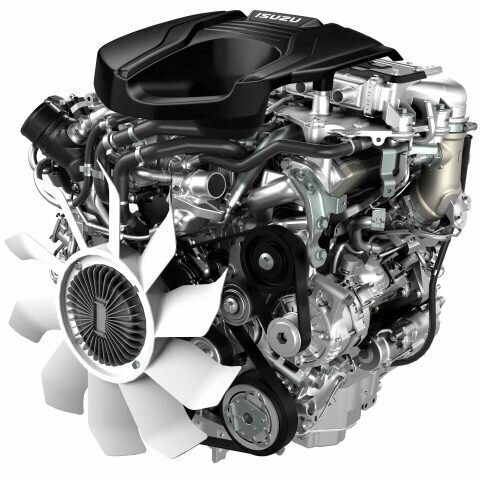 Which Isuzu D-Max engine is the most reliable
Engine and Drivetrain Reliability Concerns
Timing Component Longevity and DPF Health
The Isuzu D-Max engine, typically a 3.0-liter turbo diesel, requires careful inspection for timing chain or belt wear, as incorrect maintenance can lead to catastrophic failure. The DPF system in earlier models often clogged if the vehicle was used for low-speed urban driving, leading to frequent regeneration attempts and potential limp mode. Owners may have removed or tampered with the DPF, which can cause legal and performance issues.
- Ask for service records showing timing belt replacement at the recommended intervals, typically around 100,000 to 150,000 kilometers.
- Check the DPF regeneration logs via a diagnostic tool to see if it regenerates too often, indicating a problem.
- Inspect the exhaust system for signs of aftermarket modifications that may have bypassed the DPF system.
Gearbox and Clutch Performance
Automatic transmissions in the D-Max can develop hesitation or harsh shifts, especially if the fluid has not been changed regularly. Manual gearboxes may exhibit high clutch wear due to heavy towing, while the dual-mass flywheel can cause vibrations or a rattle on idle. Test driving on varied inclines helps reveal these issues.
- During a test drive, accelerate from a stop and listen for any clunking or delay in gear engagement.
- On a manual model, depress the clutch fully and listen for a rattling noise that disappears when pressed, indicating flywheel wear.
- Check for transmission fluid leaks around the gearbox housing and ensure the fluid is clean and at the correct level.
Suspension, Chassis, and Rust Inspection
Underbody Corrosion and Frame Integrity
In coastal Australian regions or for vehicles used in off-road conditions, rust is a major issue, particularly on the chassis rails, leaf spring mounts, and around the fuel tank crossmember. Surface rust is common but deep pitting or perforations can compromise structural safety. Look for areas where mud or sand accumulates, as these trap moisture.
- Use a flashlight to inspect the inside of the chassis rails for flaking rust or holes.
- Check leaf spring shackles and hangers for separation or thinning due to corrosion.
- Examine the spare wheel carrier and its mounting bolts for corrosion, as this is often neglected.
Suspension Wear from Towing or Off-Road Use
The D-Max suspension, especially the rear leaf springs and front bushes, can degrade quickly if the vehicle has been used for heavy towing or frequent off-roading. Look for sagging on the driver’s side or uneven tire wear that indicates misalignment or worn dampers.
- Push down on each corner of the vehicle; excessive bouncing suggests worn shock absorbers.
- Check the front lower control arm bushes for cracks or play by moving the steering wheel while stationary and looking for clunks.
- Inspect rear leaf springs for cracked leaves or broken center pins, which cause a misaligned axle.
Four-Wheel Drive System and Electrical Gremlins
Transfer Case and Hub Engagement
The part-time four-wheel-drive system can suffer from stuck hubs or transfer case motor failure if seldom used. Check for difficulty engaging 4H or 4L, unusual noises when turning on pavement in 4WD, and any warning lights on the dashboard. Seals may leak, leading to low fluid levels.
- Test the 4WD system by engaging it on a loose surface, turning full lock and listening for tire scuffing or driveline clunks.
- Check the front wheel hubs for a manual lock option; ensure they are not seized by turning them manually if present.
- Look for fluid leaks from the transfer case mounting points and ensure the fluid smells clean, not burnt.
Electrical System Failures and Common Faults
Isuzu D-Max trucks can present electrical issues like failed window regulators, faulty central locking actuators, or dashboard warning lights that remain on incorrectly. Check for poor ground connections causing erratic behavior, especially if aftermarket accessories like lights or winches have been added haphazardly.
- Operate all windows, locks, and mirrors multiple times to catch intermittent failures.
- Start the engine and turn on high beams, air conditioning, and rear demister simultaneously to test the alternator’s output and battery health.
- Check for aftermarket wiring splices near the battery or under the dashboard; poor connections can cause shorts or fires.
What are the key factors behind the class action lawsuit against Isuzu Australia, and how does it affect the best used Isuzu D-Max to buy in Australia?
Key Factors Behind the Class Action Lawsuit Against Isuzu Australia
Allegations of Defective Diesel Particulate Filters (DPF)
The central issue in the class action lawsuit involves the Diesel Particulate Filters (DPF) fitted to certain Isuzu D-Max and MU-X models. The claim alleges that these filters are prone to frequent clogging and require premature replacement, leading to significant and unexpected repair costs. Affected owners report dashboard warning lights, reduced engine performance, and failed filter regeneration cycles, which Isuzu Australia is accused of not adequately addressing under warranty despite known design or software flaws.
- The DPF system is designed to trap soot and burn it off during a process called regeneration, but in these models, regeneration reportedly fails to complete, causing blockages.
- Owners claim that Isuzu Australia denied warranty claims for DPF replacements, classifying the issue as a maintenance item or normal wear and tear rather than a manufacturing defect.
- Evidence presented includes internal technical bulletins and communications suggesting Isuzu was aware of the DPF malfunctioning in certain driving conditions, particularly in low-speed or urban environments typical for many Australian users.
Misrepresentation of Vehicle Capabilities and Fuel Economy
Marketing Claims vs. Real-World Performance
The lawsuit further asserts that Isuzu Australia misrepresented the durability and fuel efficiency of the D-Max in its advertising. Plaintiffs argue that the vehicles were marketed as reliable and economical workhorses, but the recurring DPF issues lead to increased fuel consumption and frequent unscheduled visits to dealerships, contradicting the promised level of performance. This misrepresentation is tied to the overall trust consumers placed in the brand for its reputation for robustness, especially in the competitive Australian ute market.
- Marketing materials highlighted the D-Max as suitable for heavy-duty rural and urban use, but the DPF problem renders the vehicle less practical for city driving where slow speeds prevent passive regeneration.
- Real-world owner data shows fuel economy declines significantly when the DPF is clogged, with some reporting a drop of up to 20% from the advertised combined consumption figures.
- The lawsuit argues that Isuzu Australia did not properly disclose the limitations of the DPF system during the point of sale, thereby misleading buyers about the vehicle's long-term ownership costs.
Impact on Residual Value and Ownership Costs
Financial Losses Due to Diminished Resale Value
A core component of the damages claimed concerns the diminution in value of affected Isuzu D-Max vehicles. The ongoing DPF problems have significantly lowered the resale price of these models compared to similar diesel utes without such known issues. Owners are seeking compensation for both the direct out-of-pocket expenses for repairs and the indirect financial loss suffered when trying to sell or trade in their vehicles, which are now regarded as high-risk purchases on the used market.
- Independent vehicle valuation reports cited in the lawsuit indicate that 2018-2022 D-Max models with DPF issues have depreciated 15-25% faster than comparable Toyota HiLux or Ford Ranger models from the same period.
- Used car dealers and private buyers tend to avoid the affected D-Max variants, forcing sellers to list at significantly reduced prices or provide extensive repair documentation to secure a sale.
- The lawsuit argues that Isuzu Australia has a responsibility to cover the gap between the purchase price and the current low trade-in value, as the defect directly causes the financial loss unrelated to normal wear or mileage.
How the Lawsuit Affects the Best Used Isuzu D-Max to Buy in Australia
Identification of the Affected Model Years and Engine Types
The class action specifically targets the 2018 to 2022 model years of the Isuzu D-Max equipped with the 3.0-litre 4JJ1-TCX turbo-diesel engine, which uses a complex DPF system. To identify a safe used purchase, buyers must avoid these model years unless they have documented proof that the DPF issue was resolved, such as a retrofitted software update or a replacement system installed by Isuzu under goodwill. The safest bet in the used market right now is the pre-2018 D-Max, which uses the older 4JJ1 engine without a DPF, or post-2023 models if they incorporate a redesigned exhaust system.
This content may interest you!
- Pre-2017 D-Max models are generally DPF-free and do not suffer from this specific lawsuit issue, making them the most reliable used option for towing or heavy work.
- For 2018-2022 models, potential buyers should request the vehicle's service history and check for any ISUZU-emitted technical service bulletins (TSBs) that indicate a DPF software update or replacement.
- Post-2023 model years (2024 onwards) may have a redesigned DPF system, but since the class action is ongoing, it is wise to verify if the manufacturer has explicitly confirmed a new, defect-free hardware setup.
- Ensure the inspection includes a reading of the DPF soot mass measurement and its distance since last regeneration, ideally showing less than 20 grams and a recent active regeneration logging.
- Ask the seller for any documentation of software updates, especially if they ever owned the vehicle from new, as Isuzu Australia released a DPF recalibration update in late 2023 to try to reduce clogging.
- Factor into your total purchase price the cost of a third-party DPF cleaning service (approximately AUD 400-800) as a precautionary maintenance step after acquiring the vehicle.
- EGR system clogging due to carbon buildup, especially in vehicles used for low-speed driving.
- Notchy or stiff manual gearbox operation in pre-2020 models.
- Diesel injector issues on units exceeding 150,000 kilometers.
- Slow and unresponsive infotainment system without Apple CarPlay or Android Auto in pre-2020 models.
- Hard plastic dashboard panels that scratch easily and cause rattles over bumpy roads.
- Frequent air conditioning condenser failures in models from 2015 to 2017.
- Harsh and bouncy ride when unladen, with leaf springs not settling over time.
- Excessive cabin noise from the rear wheel wells and engine bay at speeds above 100 km/h.
- Heavy and vague steering feel, requiring constant corrections on uneven roads.
Adjusting Your Budget and Inspection Process
Expect Higher Inspection and Negotiation Leverage
Because of the negative publicity and legal uncertainty, used 2018-2022 D-Max units are now severely discounted in the private and dealer markets. Buyers should budget for a pre-purchase inspection that specifically tests the DPF regeneration cycle, using a diagnostic tool to check for codes related to excessive soot accumulation. You can use this leverage to negotiate the price down by at least 15-20% compared to a non-lawsuit affected vehicle, acknowledging that you might need to pay for a potential DPF cleaning or replacement within the first year of ownership if the fix has not been applied.
Warranty, Goodwill Repairs, and Long-Term Liability
Understanding Isuzu's Response and Your Consumer Rights
If you buy a used Isuzu D-Max from the affected model years and the DPF issue arises soon after purchase, your legal recourse may involve the Australian Consumer Law (ACL) warranty of acceptable quality. However, the class action
What are the common drawbacks of the best used Isuzu D-Max models to buy in Australia?
The Isuzu D-Max is widely regarded as a reliable and durable utility vehicle in the Australian market, but even the best used models come with certain drawbacks. Common issues reported by owners include a harsh ride quality when unladen, which is typical of leaf-spring rear suspensions designed for heavy loads. Additionally, the infotainment system in earlier models tends to be slow and outdated, lacking modern connectivity features like Apple CarPlay and Android Auto. Another notable drawback is the cabin noise at highway speeds, as insulation is not as refined as in competitors like the Ford Ranger or Toyota HiLux. Rust problems have also been documented in older models, particularly around the rear wheel arches and chassis areas, especially in coastal regions. Furthermore, the diesel particulate filter (DPF) in some variants may require frequent regeneration if used primarily for short urban trips, leading to potential maintenance headaches. Finally, resale value, while generally strong, can be lower for higher-mileage examples due to perceived wear on the drivetrain.
Common Reliability and Mechanical Issues in Used Isuzu D-Max Models
Engine and Drivetrain Concerns
The Isuzu D-Max is praised for its robust 4JJ1-TC or 4JJ3-TCX diesel engines, but used models may exhibit specific mechanical problems over time. The EGR (exhaust gas recirculation) system can clog, leading to reduced performance and increased fuel consumption. Additionally, the manual transmission in older variants has been reported to have a notchy shift feel, while automatic gearboxes may experience hesitation during gear changes. Injector failures, though less common, have been noted in high-kilometer examples, requiring costly replacements.
Interior Comfort and Technology Limitations
Outdated Infotainment and Cabin Quality
Used Isuzu D-Max models, particularly those from 2012 to 2018, suffer from subpar interior materials and dated technology. The infotainment system often has a low-resolution display and slow response times, with no integration for smartphone mirroring in older units. Cabin plastics are hard and prone to rattling over rough terrain, and the seats lack adequate lumbar support for long-distance driving. Air conditioning systems in some models have been reported to blow warm air due to condenser issues, which is a common complaint in warmer Australian climates.
Suspension, Handling, and Ride Quality Drawbacks
Leaf-Spring Rear Suspension and Noise Vibration Harshness
The Isuzu D-Max uses a traditional leaf-spring rear suspension designed for load-carrying capability, which results in a stiff and jarring ride when the tray is empty. This is a common drawback for used models, as the suspension does not soften with age. Owners also report significant road noise intrusion into the cabin, particularly from the rear tires and driveline, making highway trips less comfortable. In addition, the steering is often described as vague and heavy, with poor feedback compared to rivals like the Mazda BT-50, which shares the same platform.
Frequently Asked Questions
What is the most reliable year model for the Isuzu D-Max in Australia?
The 2016 to 2019 Isuzu D-Max models are widely considered the most reliable in Australia. These years feature the robust 4JJ1 3.0-litre turbo-diesel engine, known for its exceptional durability and longevity. They avoid the earlier DPF issues found in some competitors and benefit from a proven, simple design. These models offer a great balance of modern features without the complexity of newer emissions systems, making them a top choice for used buyers.
What should I check when inspecting a used Isuzu D-Max for purchase?
When inspecting a used D-Max, check for corrosion in the rear chassis rails, especially if it was used near coastal areas. Listen for timing chain rattle on start-up, which can indicate stretched chains. Verify the service history for regular oil changes using the correct 5W-30 oil. Inspect the manual gearbox for notchy shifting and the automatic for smooth operation. Also, check for signs of heavy off-road use like damaged shock absorbers or worn suspension bushes.
How many kilometers is too high for a used second-hand Isuzu D-Max?
A used Isuzu D-Max with over 200,000 kilometers is not necessarily too high, provided it has full service history. The 4JJ1 engine is known to last 500,000 kilometers or more with proper maintenance. However, buyers should expect more wear items like suspension components, injectors, and clutches beyond 250,000 km. For the most trouble-free experience, a D-Max with 100,000 to 180,000 km from 2016-2019 offers the best value and remaining life.
What is the average fuel economy of the used Isuzu D-Max in Australia?
The used Isuzu D-Max typically achieves real-world fuel economy between 8.5 and 10.5 litres per 100 kilometres in mixed driving conditions. Highway driving can see figures drop to 7.5-8.5 L/100km, while heavy city traffic or towing may push consumption above 11 L/100km. The older 3.0L engine is slightly thirstier than the newer 1.9L models but offers more torque. Regular maintenance and proper tyre pressure are key to achieving optimal fuel efficiency.
Leave a Reply