
Mitsubishi ASX or Similar Australia: The Smart Buyer’s Guide to Compact SUVs

When we search for “Mitsubishi ASX or similar Australia,” we are usually not just looking for one car. We are looking for a sensible compact SUV that feels easy to live with, affordable enough to justify, roomy enough for real life, and dependable enough that we do not wake up at 2 a.m. worrying about repair bills.
The Mitsubishi ASX has long been one of those familiar names on Australian roads. It is not trying to be a luxury spaceship. It is not pretending to be a rugged outback monster either. It sits in that sweet, practical zone where many Australian drivers live: school runs, weekend Bunnings trips, city commutes, beach drives, supermarket parking battles, and the occasional regional road trip with snacks flying around the cabin.
But here is the real question: should we choose a Mitsubishi ASX, or should we look at something similar in Australia?
That is where things get interesting. The compact SUV market in Australia is packed tighter than a holiday esky. We have the Mazda CX-30, Toyota Corolla Cross, Hyundai Kona, Kia Seltos, Nissan Qashqai, Subaru Crosstrek, MG ZS, Haval Jolion, Honda HR-V, Volkswagen T-Roc, Skoda Kamiq, and more. Some offer sharper styling. Some offer hybrids. Some offer better value. Some simply feel more modern.
So, let’s unpack this properly. No robotic car-brochure fluff. We are going to look at the Mitsubishi ASX and its closest alternatives in Australia like normal people would: value, comfort, practicality, running costs, family use, tech, safety, resale, and everyday driving.
- Why Australians Keep Searching for Mitsubishi ASX or Similar
- What Kind of SUV Is the Mitsubishi ASX?
- Mitsubishi ASX or Similar Australia: Best Alternatives to Consider
- Mitsubishi ASX vs Similar SUVs: Quick Comparison Table
- Is the Mitsubishi ASX Good for Australian Families?
- Is the Mitsubishi ASX Good for City Driving?
- What About Regional and Country Driving?
- Fuel Economy: Should We Choose ASX or a Hybrid Alternative?
- Interior and Comfort: Is the ASX Modern Enough?
- Technology and Safety: Where the Competition Gets Tough
- Running Costs: ASX vs Similar SUVs in Australia
- Used Mitsubishi ASX or Similar Used SUV?
- Mitsubishi ASX vs Mitsubishi Eclipse Cross
- Mitsubishi ASX vs Mitsubishi Outlander
- Best ASX Alternatives by Buyer Type
- Should We Buy a Mitsubishi ASX in Australia?
- How to Choose Between the ASX and Similar SUVs
- Common Mistakes When Shopping for an ASX or Similar SUV
- Final Verdict: Mitsubishi ASX or Similar Australia
- FAQs About Mitsubishi ASX or Similar Australia
Why Australians Keep Searching for Mitsubishi ASX or Similar
The phrase “Mitsubishi ASX or similar Australia” tells us something important. Buyers are interested in the ASX, but they are also keeping their options open.
That makes sense. The ASX has often been attractive because it gives buyers a compact SUV shape without going full premium. It is easy to drive, easy to park, and usually cheaper than larger SUVs. For many people, that is enough.
But in today’s market, “similar” matters. We are not comparing the ASX against one rival. We are comparing it against an entire wave of compact SUVs that have become smarter, safer, more efficient, and more stylish.
The current Australian-market ASX is listed as a five-seat petrol SUV, with reported fuel consumption around 6.4L/100km and boot space from 484L to 1596L depending on seat configuration. Carsales also lists 12-month/15,000km service intervals and a five-year/100,000km warranty figure, while Mitsubishi Australia promotes its Diamond Advantage program with warranty, capped-price servicing, and roadside assistance conditions that can extend when serviced through the brand network.
In plain English? The ASX is still a practical compact SUV. But the “best” choice depends on what we value most.
What Kind of SUV Is the Mitsubishi ASX?
The Mitsubishi ASX is best understood as a compact SUV for buyers who want a higher driving position, decent cabin space, straightforward controls, and urban-friendly dimensions.
It is not massive. It is not intimidating. It does not require us to plan parking like a military operation. That is part of the appeal.
The ASX Personality
The ASX is for people who want:
- A compact SUV rather than a hatchback
- A practical five-seat cabin
- Easy parking and daily use
- Reasonable boot space
- A trusted mainstream badge
- Good dealer coverage across Australia
- Long-term ownership confidence
It is the kind of car that says, “Let’s be sensible,” but still gives us SUV height and versatility.
Who Usually Buys a Mitsubishi ASX?
The ASX often suits:
- First SUV buyers
- Young families
- Empty nesters downsizing from a larger SUV
- City drivers wanting better visibility
- Regional buyers who value dealer support
- Used-car shoppers wanting affordable compact SUV options
- Drivers who do not need all-wheel drive or hardcore performance
Think of it like a reliable pair of sneakers. Not the flashiest shoes in the shop, but the ones we keep grabbing because they just work.
Mitsubishi ASX or Similar Australia: Best Alternatives to Consider
If we are shopping around, these are the compact SUVs most worth comparing against the ASX in Australia.
1. Mazda CX-30
The Mazda CX-30 is one of the strongest ASX alternatives if we care about cabin quality and driving feel.
It feels more polished inside, with a premium-style dashboard, comfortable seating, and a more refined personality. Mazda has a knack for making mainstream cars feel a little more expensive than they are.
The CX-30 is a good option if we want:
- A more premium interior
- Smooth handling
- Strong brand reputation
- Good resale appeal
- A stylish design
The trade-off? Rear-seat and boot space may not feel as generous as some boxier rivals. If we carry tall passengers often, we should test the back seat carefully.
2. Toyota Corolla Cross
The Toyota Corolla Cross is probably one of the most logical ASX alternatives in Australia, especially for buyers interested in hybrid efficiency.
Toyota has built a reputation around reliability, resale value, and low running costs. The Corolla Cross takes the familiar Corolla formula and gives it SUV practicality.
It suits buyers who want:
- Hybrid options
- Strong resale value
- Toyota reliability reputation
- Family-friendly practicality
- Easy ownership
If fuel economy is high on our list, the Corolla Cross deserves serious attention. It is like choosing the friend who always arrives on time and remembers to bring sunscreen.
3. Hyundai Kona
The Hyundai Kona is a strong choice if we want something more modern and design-forward.
Compared with the ASX, the Kona feels more expressive. It has a bolder look, a tech-focused cabin, and multiple powertrain choices depending on variant and availability.
The Kona is worth considering if we want:
- Modern styling
- Good technology
- Urban-friendly size
- Hybrid or electric options in the wider range
- A more youthful personality
It may not be the most conservative choice, but that is exactly why many buyers like it.
4. Kia Seltos
The Kia Seltos is one of the most practical compact SUV alternatives. It has a roomy feel, user-friendly technology, and a value-focused approach.
For families, the Seltos can make a lot of sense because it feels slightly more spacious than some rivals. It is not trying to be fancy for the sake of it. It is practical, well-packaged, and easy to understand.
Choose the Seltos if we want:
- Good interior space
- Practical boot capacity
- Strong value
- Easy tech
- A comfortable daily drive
It is one of those cars that quietly does everything well.
5. Nissan Qashqai
The Nissan Qashqai is another direct ASX competitor, especially for buyers who want a compact SUV with a slightly more refined European-style flavour.
The Qashqai often appeals to people who want comfort, safety technology, and a smart-looking design. It feels mature without being boring.
It is a good fit if we want:
- Comfortable ride quality
- Smart cabin layout
- Good safety features
- A refined small SUV feel
- A practical city-and-suburb vehicle
The Qashqai may cost more than some budget-focused rivals, but it can feel more polished.
6. Subaru Crosstrek
The Subaru Crosstrek is the alternative for buyers who want a compact SUV with more adventure baked in.
This content may interest you!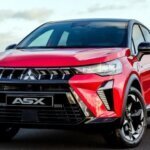 Mitsubishi ASX vs Nissan X-Trail: Which SUV Makes More Sense for Real Life?
Unlike many small SUVs that are basically city hatchbacks on stilts, the Crosstrek leans into Subaru’s outdoorsy image. It is useful for buyers who regularly deal with gravel roads, wet weather, camping tracks, or regional driving.
Consider the Crosstrek if we want:
- All-wheel drive confidence
- Light adventure ability
- Practical hatchback-SUV size
- A rugged personality
- Good visibility
It is not a hardcore 4WD, but it feels more “weekend trail” than many urban-only rivals.
7. MG ZS
The MG ZS is often considered by buyers looking for affordable SUV motoring.
Its biggest strength is value. If budget is the main priority, MG can look very tempting. It gives us the SUV shape and a new-car experience at a price that may undercut many established rivals.
The MG ZS suits buyers who want:
- Low entry pricing
- Simple daily transport
- SUV styling
- Good equipment for the money
- City-focused use
However, we should compare long-term resale, servicing, dealer support, and driving refinement before jumping in.
8. Haval Jolion
The Haval Jolion is another value-heavy option. It often attracts buyers because it brings a lot of equipment for the money.
If the ASX feels too conservative or expensive, the Jolion can look like a tech-packed alternative. It may include features that cost more in some Japanese or Korean rivals.
The Jolion may suit us if we want:
- Strong equipment levels
- Competitive pricing
- Modern cabin presentation
- Spacious feel
- Value above brand tradition
The key question is whether we prioritise features today or long-term resale confidence tomorrow.
9. Honda HR-V
The Honda HR-V is a clever small SUV with excellent packaging. Honda often does interiors brilliantly, and the HR-V can feel more spacious than expected.
It is especially appealing for couples, singles, and small families who want a refined, efficient, easygoing vehicle.
The HR-V makes sense if we want:
- Clever cabin use
- Honda reliability reputation
- Easy city driving
- Refined interior feel
- Efficient everyday use
Its main limitation may be price and rear-seat practicality depending on the exact variant and buyer needs.
10. Volkswagen T-Roc
The Volkswagen T-Roc is for buyers who want something more premium-feeling than the ASX without jumping into luxury-brand pricing.
It has a European driving character, confident styling, and a more upmarket vibe. It may not be the cheapest to own, but it feels sharper and more sophisticated.
Choose the T-Roc if we want:
- European styling
- Strong road manners
- Premium feel
- Compact dimensions
- A more engaging drive
It is less about maximum value and more about feel.
Mitsubishi ASX vs Similar SUVs: Quick Comparison Table
| Model | Best For | Main Strength | Possible Weakness |
|---|---|---|---|
| Mitsubishi ASX | Practical everyday use | Dealer network, compact practicality | Rivals may feel more modern |
| Mazda CX-30 | Premium feel | Interior quality and handling | Rear space can be tight |
| Toyota Corolla Cross | Efficiency and resale | Hybrid option, Toyota reputation | Popular variants may cost more |
| Hyundai Kona | Tech and style | Modern design, varied range | Styling may not suit everyone |
| Kia Seltos | Family practicality | Space and value | Not as premium-feeling |
| Nissan Qashqai | Comfort | Refined cabin and ride | Can be pricier |
| Subaru Crosstrek | Light adventure | AWD confidence | Not the cheapest option |
| MG ZS | Budget buyers | Low entry price | Resale/refinement questions |
| Haval Jolion | Features for money | Equipment and space | Brand perception still evolving |
| Honda HR-V | Clever packaging | Refined and efficient | Can be expensive for size |
| VW T-Roc | Premium compact SUV feel | Driving character | Higher ownership costs |
Is the Mitsubishi ASX Good for Australian Families?
Yes, but with context.
The ASX can work well for small families. It gives us the raised seating position many parents like, enough boot space for everyday use, and manageable exterior dimensions. That matters when we are squeezing into tight shopping centre parks while someone in the next bay has parked like they were escaping a tornado.
For families with one or two young kids, the ASX can be enough. But if we have teenagers, bulky prams, sports bags, camping gear, or regular road trips, we may want to compare it carefully against the Kia Seltos, Toyota Corolla Cross, Nissan Qashqai, or even a larger SUV like the Mitsubishi Outlander.
Family-Friendly Strengths
The ASX can appeal to families because it offers:
- Easy entry and exit
- Compact footprint
- Useful boot space
- Good visibility
- SUV ride height
- Simple everyday usability
Where Families Should Be Careful
Before buying, check:
- Rear legroom with front seats adjusted
- Child-seat installation space
- Boot space with pram loaded
- Rear air vents, depending on variant
- Safety features by trim level
- Whether the spare wheel setup suits your driving needs
A car can look perfect online, then suddenly feel cramped once we add a child seat, a scooter, school bags, and the mysterious pile of “just in case” items families carry everywhere.
Is the Mitsubishi ASX Good for City Driving?
This is one of the ASX’s stronger areas.
Compact SUVs make sense in Australian cities because they offer a higher driving position without the bulk of a large SUV. The ASX is easy to place on the road, simple to park, and practical enough for daily errands.
For city buyers, the ASX competes closely with the Hyundai Kona, Mazda CX-30, Honda HR-V, Toyota Corolla Cross, and Skoda Kamiq.
Why It Works in the City
The ASX is city-friendly because:
- It is not too large
- Visibility is generally easy
- The SUV height feels reassuring
- Boot space is useful for shopping
- It is simple to drive every day
If most of our driving is traffic, short trips, school runs, and suburban roads, we do not need a giant SUV. In fact, a big SUV can become a headache. The ASX lives in the easier lane.
What About Regional and Country Driving?
For regional buyers, the ASX can still work, but the decision becomes more nuanced.
Mitsubishi has a strong presence in Australia, and dealer access can matter outside major cities. That is one reason many Australians trust the brand. If we live far from a capital city, buying a car with strong service coverage can be more important than having the trendiest cabin screen.
However, if we regularly drive on rough roads, gravel, farms, wet country highways, or weekend tracks, the Subaru Crosstrek may be worth a closer look because of its all-wheel drive character.
For long highway driving, we should test the ASX and rivals back-to-back. Some compact SUVs feel calm and planted at speed. Others feel more urban-focused.
Fuel Economy: Should We Choose ASX or a Hybrid Alternative?
Fuel economy is where the market has changed dramatically.
The ASX may offer respectable petrol efficiency, but hybrid rivals like the Toyota Corolla Cross can be more attractive for buyers doing lots of urban stop-start driving. Hybrid systems shine in traffic because they can recover energy and reduce fuel use in conditions where petrol-only vehicles work harder.
If we drive mostly in the city, a hybrid may save money over time. If we drive mostly on highways, the difference may shrink.
When the ASX Makes Sense
The ASX can still make sense if:
This content may interest you!Mitsubishi ASX vs Hyundai Tucson: Which SUV Makes More Sense for Everyday Drivers?- We want simpler petrol ownership
- We do not drive huge kilometres
- We value Mitsubishi dealer support
- The purchase price works for our budget
- We prefer straightforward maintenance
When a Hybrid Rival Makes Sense
A hybrid may be better if:
- We drive daily in city traffic
- Fuel prices worry us
- We plan long ownership
- We want better efficiency
- Resale value is a priority
A petrol ASX is like a good standard coffee. A hybrid rival is like paying extra for the reusable cup, oat milk, and loyalty points. It may cost more upfront, but it can make sense if we use it every day.
Interior and Comfort: Is the ASX Modern Enough?
This depends on what we compare it with.
Against budget rivals, the ASX can feel solid and practical. Against newer-generation SUVs like the Hyundai Kona, Mazda CX-30, or Toyota Corolla Cross, some buyers may prefer the rival cabins for design, screen layout, materials, or technology.
Interior comfort is subjective. Some people want soft-touch surfaces and digital displays. Others want simple buttons, clear controls, and seats that do not annoy them after 20 minutes.
What to Check During a Test Drive
When comparing the ASX with similar SUVs, check:
- Seat comfort after at least 20 minutes
- Driving position
- Rear visibility
- Infotainment responsiveness
- Phone connection reliability
- Cabin noise on coarse-chip roads
- Rear-seat comfort
- Boot loading height
Do not just sit in the showroom and decide. A car can flirt under dealership lights and then disappoint on the road.
Technology and Safety: Where the Competition Gets Tough
Compact SUVs in Australia have become much more technology-focused. Even budget-friendly models now offer large screens, smartphone mirroring, driver-assistance systems, cameras, and safety alerts.
The ASX has to compete in a field where buyers expect more than just “it has Bluetooth.” We now expect seamless Apple CarPlay or Android Auto, clear reversing cameras, adaptive cruise control in many trims, blind-spot monitoring, lane support, and smart safety systems.
Carsales lists the 2026 ASX with a four-star ANCAP safety rating, which is something safety-focused buyers may want to compare carefully against five-star-rated rivals where available.
Safety Features Buyers Should Compare
Before choosing, compare:
- ANCAP rating and test year
- Autonomous emergency braking
- Blind-spot monitoring
- Lane-keep assist
- Rear cross-traffic alert
- Adaptive cruise control
- Number of airbags
- Child-seat anchor points
- Camera quality
Safety is not the area where we want to shrug and say, “Close enough.”
Running Costs: ASX vs Similar SUVs in Australia
Running costs can make or break ownership satisfaction.
The purchase price gets our attention, but servicing, insurance, tyres, depreciation, and fuel are what keep tapping us on the shoulder year after year.
Mitsubishi’s capped-price servicing program offers scheduled service price certainty for up to 10 years, with intervals described as 12 months or 15,000km, whichever comes first.
That is valuable because predictable costs are easier to budget. But we should still compare actual capped-service totals against Toyota, Kia, Hyundai, Mazda, Nissan, and Subaru.
Running Cost Checklist
When comparing the ASX with similar SUVs, look at:
- Servicing cost over five years
- Warranty length and conditions
- Fuel consumption
- Insurance quotes
- Tyre size and replacement cost
- Depreciation estimates
- Dealer distance from home
- Roadside assistance conditions
A cheap car is not always cheap to own. A slightly dearer car can sometimes be the smarter wallet move over five or seven years.
Used Mitsubishi ASX or Similar Used SUV?
The used market is where the ASX becomes especially interesting.
Older ASX models have been popular in Australia for years, which means there are usually plenty of used examples around. That can be good for choice, pricing, and parts availability.
But we should not buy blindly. A used compact SUV needs the same careful checking as any other car.
Used ASX Buying Tips
Before buying a used ASX, check:
- Full service history
- Transmission behaviour
- Engine idle and acceleration
- Suspension noises
- Tyre wear patterns
- Air-conditioning performance
- Infotainment issues
- Accident history
- PPSR report
- Whether recalls or updates are completed
Used Alternatives Worth Considering
If buying used, compare the ASX with:
- Mazda CX-30
- Toyota C-HR
- Toyota Corolla Cross
- Hyundai Kona
- Kia Seltos
- Nissan Qashqai
- Honda HR-V
- Subaru XV or Crosstrek
- MG ZS
- Mitsubishi Eclipse Cross
Used buyers should care less about badge excitement and more about condition. A well-maintained ASX can be better than a neglected “better” rival.
Mitsubishi ASX vs Mitsubishi Eclipse Cross
Some buyers naturally compare the ASX with the Mitsubishi Eclipse Cross.
The Eclipse Cross usually feels like a step up in size, style, and road presence. It may suit buyers who want more personality or extra space without jumping to the larger Outlander.
Choose ASX if we want:
- Smaller size
- Easier parking
- Lower-cost compact SUV feel
- Simple urban use
Choose Eclipse Cross if we want:
- More dramatic styling
- More cabin presence
- Potentially stronger performance depending on variant
- A slightly larger SUV experience
The ASX is the sensible sibling. The Eclipse Cross is the one that bought sunglasses and a leather jacket.
Mitsubishi ASX vs Mitsubishi Outlander
The Outlander is a larger, more family-focused SUV. If the ASX feels tight, the Outlander may solve that problem.
The Outlander is better for:
- Growing families
- More luggage
- Longer trips
- More rear-seat comfort
- Buyers considering seven-seat flexibility in some versions
- Plug-in hybrid options in the broader Outlander range
The ASX is better for:
- City parking
- Smaller households
- Lower running costs
- Easier manoeuvrability
- Buyers who do not need extra seats
If the ASX is a compact apartment, the Outlander is a townhouse. We just need to know how much space we actually use.
Best ASX Alternatives by Buyer Type
Best for Fuel Economy
Toyota Corolla Cross Hybrid.
If efficiency is the mission, Toyota’s hybrid experience is hard to ignore.
Best for Interior Quality
Mazda CX-30.
It feels premium without fully entering premium-brand territory.
Best for Family Space
Kia Seltos.
This content may interest you!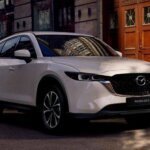 Mazda CX-5 vs Toyota Corolla Cross: Which Compact SUV Fits Us Better?
Roomy, practical, and sensible.
Best for City Style
Hyundai Kona.
Modern, bold, and tech-friendly.
Best for Light Adventure
Subaru Crosstrek.
More rugged and confidence-inspiring than many city-only rivals.
Best for Budget Buyers
MG ZS or Haval Jolion.
Both focus heavily on value, though long-term ownership research is essential.
Volkswagen T-Roc.
More expensive, but more polished to drive.
Best All-Round Sensible Choice
Toyota Corolla Cross or Kia Seltos.
Both offer strong everyday appeal, depending on whether we value efficiency or space more.
Should We Buy a Mitsubishi ASX in Australia?
Yes, if it matches our priorities.
The ASX makes sense if we want a compact SUV with mainstream familiarity, practical space, Mitsubishi dealer support, and easy everyday usability. It is not necessarily the flashiest option, but it does not need to be.
However, we should absolutely compare it with similar SUVs before signing anything. The compact SUV class is too competitive to buy on badge recognition alone.
The ASX Is a Good Choice If We Value
- Practicality
- Simple ownership
- Mitsubishi brand familiarity
- Dealer network support
- Compact dimensions
- Everyday comfort
- Reasonable boot space
We Should Consider Rivals If We Want
- Hybrid fuel economy
- More advanced interior design
- Better safety rating
- More premium materials
- More rear-seat room
- More exciting performance
- Lower entry price
The ASX is a good answer for some buyers. It is not the only answer.
How to Choose Between the ASX and Similar SUVs
Here is a simple way to decide.
Step 1: Set the Real Budget
Not the fantasy budget. The real one.
Include:
- Drive-away price
- Insurance
- Servicing
- Fuel
- Registration
- Finance costs
- Accessories
- Future tyres
Step 2: Decide What Matters Most
Pick your top three:
- Fuel economy
- Boot space
- Rear-seat room
- Warranty
- Safety
- Technology
- Resale value
- Comfort
- Price
- Brand trust
Step 3: Test Drive at Least Three SUVs
Do not test drive only the ASX. Try it against two or three rivals. That is when the truth appears.
Step 4: Check Ownership Costs
A car that feels cheaper today may cost more tomorrow.
Step 5: Choose the Car That Fits Your Life
Not your neighbour’s opinion. Not a YouTube comment section. Your life.
Common Mistakes When Shopping for an ASX or Similar SUV
Buying Only on Monthly Payment
A low repayment can hide a high total cost. Always look at the full finance picture.
Ignoring Rear-Seat Space
Compact SUVs vary massively inside. Bring the family to the test drive.
Forgetting About Servicing
Capped-price servicing matters. Compare actual numbers.
Choosing Features Over Fundamentals
A big screen is nice. A comfortable seat, good visibility, and safe braking matter more.
Skipping the Highway Test
Some SUVs feel great at 50km/h but noisy or underpowered at 100km/h.
Not Checking Resale Value
Depreciation is the invisible cost. It quietly takes money while we are not looking.
Final Verdict: Mitsubishi ASX or Similar Australia
The Mitsubishi ASX remains a serious option for Australian buyers who want a practical compact SUV with everyday usability and familiar Mitsubishi backing. It is easy to understand, easy to live with, and sensible enough for buyers who do not want to overcomplicate the process.
But the phrase “or similar” is where the smarter shopping begins.
If we want hybrid efficiency, the Toyota Corolla Cross deserves attention. If we want a more premium cabin, the Mazda CX-30 is hard to ignore. If we want space and value, the Kia Seltos makes a strong case. If we want adventure confidence, the Subaru Crosstrek has personality. If we want budget-friendly features, MG and Haval are waiting with sharp prices.
So, should we buy the ASX? Maybe. But we should not buy it in isolation.
The best compact SUV in Australia is not always the one with the loudest advertising or the shiniest showroom floor. It is the one that fits our parking space, our weekly routine, our fuel budget, our family, and our long-term plans.
In the end, choosing between the Mitsubishi ASX or similar Australia is a bit like choosing the right travel companion. We do not just want someone who looks good in photos. We want someone reliable, comfortable, low-drama, and ready for the boring Tuesday commute as well as the spontaneous Saturday escape.
And when a car can handle both, that is when we know we are getting close.
FAQs About Mitsubishi ASX or Similar Australia
1. What cars are similar to the Mitsubishi ASX in Australia?
Cars similar to the Mitsubishi ASX in Australia include the Mazda CX-30, Toyota Corolla Cross, Hyundai Kona, Kia Seltos, Nissan Qashqai, Subaru Crosstrek, Honda HR-V, MG ZS, Haval Jolion, Skoda Kamiq, and Volkswagen T-Roc. These models compete in the compact SUV space and offer similar everyday practicality.
2. Is the Mitsubishi ASX a good SUV for Australian families?
The Mitsubishi ASX can be a good SUV for small Australian families, especially those who need an easy-to-drive compact SUV for school runs, shopping, and city commuting. Larger families or those needing more rear-seat and boot space may prefer the Kia Seltos, Toyota Corolla Cross, Nissan Qashqai, or Mitsubishi Outlander.
3. Which is better: Mitsubishi ASX or Toyota Corolla Cross?
The Mitsubishi ASX may appeal to buyers who want a straightforward petrol compact SUV with Mitsubishi dealer support. The Toyota Corolla Cross is often better for buyers prioritising hybrid fuel economy, resale value, and Toyota’s reliability reputation. The better choice depends on budget, driving habits, and desired features.
This content may interest you!Is Mitsubishi ASX a Reliable Car? A Real-World Look at This Practical SUV4. Is the Mitsubishi ASX cheaper to own than similar SUVs?
The ASX can be reasonable to own, especially with capped-price servicing and Mitsubishi’s ownership support programs. However, buyers should compare servicing totals, fuel economy, insurance, warranty conditions, and resale value against rivals like the Toyota Corolla Cross, Kia Seltos, Mazda CX-30, Hyundai Kona, and Nissan Qashqai.
5. Should I buy a new or used Mitsubishi ASX in Australia?
A new ASX may suit buyers wanting warranty coverage, modern features, and predictable ownership. A used ASX can be a strong value choice if it has a full service history, good condition, clean PPSR report, and no major mechanical issues. Used buyers should compare it with similar used SUVs before deciding.
Leave a Reply