
Mitsubishi ASX vs Hyundai Tucson: Which SUV Makes More Sense for Everyday Drivers?

Choosing between the Mitsubishi ASX vs Hyundai Tucson is a bit like deciding between a compact city apartment and a roomy suburban home. Both can make daily life easier, both can look good in the driveway, and both can handle the weekly grocery run without drama. But they are not really built for the exact same type of driver.
The Mitsubishi ASX is usually the simpler, smaller, more budget-conscious option. It aims at drivers who want an easy SUV that feels light, practical, and manageable in tight spaces. The Hyundai Tucson, on the other hand, steps into the ring with more size, more polish, more technology, and a stronger family-SUV personality.
So, which one should we choose? Well, that depends on what we value most: low-stress urban driving, affordable ownership, space, comfort, technology, or long-distance versatility. Let’s break it down properly.
- Mitsubishi ASX vs Hyundai Tucson at a Glance
- Why This Comparison Matters
- Exterior Design: Simple Confidence vs Modern Drama
- Size and Road Presence
- Interior Comfort: Practical Cabin vs More Premium Space
- Technology and Infotainment
- Engine Options and Driving Feel
- Fuel Economy and Running Costs
- Practicality: Boot Space, Seats, and Everyday Use
- Safety Features and Driver Assistance
- Reliability and Brand Reputation
- Mitsubishi ASX vs Hyundai Tucson for City Driving
- Mitsubishi ASX vs Hyundai Tucson for Families
- Mitsubishi ASX vs Hyundai Tucson for Long Trips
- Mitsubishi ASX vs Hyundai Tucson for Value
- Pros and Cons of the Mitsubishi ASX
- Pros and Cons of the Hyundai Tucson
- Which SUV Should We Buy?
- Final Verdict: Mitsubishi ASX vs Hyundai Tucson
- Frequently Asked Questions
Mitsubishi ASX vs Hyundai Tucson at a Glance
Before we dive under the hood, let’s set the scene.
The Mitsubishi ASX sits in the small SUV space. Depending on the market, the name may refer to different generations and specifications, but the ASX is generally known as a compact crossover focused on value, practicality, and straightforward driving. Some current-market ASX versions use a 2.0-litre petrol engine with CVT, while newer European-style versions are closely related to the Renault Captur platform. Mitsubishi’s Saudi-market ASX, for example, lists a 2.0-litre MIVEC petrol engine, CVT, and 63-litre fuel tank.
The Hyundai Tucson plays one size above in many markets. It is a compact family SUV with a more premium cabin feel, broader engine options in several regions, and stronger emphasis on comfort, safety, and technology. Hyundai Australia lists the Tucson with petrol and hybrid options depending on variant, showing how much broader the Tucson range can be compared with the ASX.
In plain English: the ASX is the “keep it simple” SUV. The Tucson is the “give me more of everything” SUV.
Why This Comparison Matters
The Mitsubishi ASX vs Hyundai Tucson comparison matters because these two SUVs often attract similar buyers at first glance. They are both practical crossovers. They both come from trusted Asian brands. They both promise useful everyday motoring without the intimidating size of a full-blown large SUV.
But once we look closer, the gap appears.
The ASX usually appeals to buyers who want:
- Lower purchase price
- Compact dimensions
- Easier parking
- Simple controls
- No-fuss ownership
- Basic SUV practicality
The Tucson usually appeals to buyers who want:
- More interior space
- Better family comfort
- More advanced technology
- More powertrain choice
- More premium design
- Stronger long-distance refinement
Neither approach is wrong. It is just a question of fit.
Exterior Design: Simple Confidence vs Modern Drama
Mitsubishi ASX Design Personality
The Mitsubishi ASX has traditionally taken a clean, sturdy, conservative approach to design. It is not trying to shout across the parking lot. It is more like that reliable friend who shows up on time, wears sensible shoes, and never makes a fuss.
Its compact proportions help it feel approachable. It is tall enough to give us that SUV-like driving position, but not so large that it becomes annoying in narrow streets or crowded supermarket car parks.
Depending on the model year and market, the ASX may look more rugged, more urban, or more European-inspired. But the core personality remains the same: practical, tidy, and easy to live with.
Hyundai Tucson Design Personality
The Hyundai Tucson is much more expressive. It has sharp body lines, a bolder front end, and a more futuristic design language. Hyundai clearly wants the Tucson to feel modern and slightly premium, even before we step inside.
The Tucson is the SUV that turns up wearing a tailored jacket and LED running lights like jewelry. It has more road presence than the ASX, and for many buyers, that matters. We do not always buy cars with spreadsheets alone; sometimes we buy them because we glance back at them after parking.
Which One Looks Better?
If we prefer understated design, the ASX feels safer and less flashy. If we want something more modern and eye-catching, the Tucson wins.
The ASX whispers, “I’m practical.”
The Tucson says, “I’ve arrived.”
Size and Road Presence
This is one of the biggest differences in the Mitsubishi ASX vs Hyundai Tucson debate.
The ASX is typically smaller and easier to place on the road. That makes it ideal for city drivers, new SUV owners, and people who do not want their vehicle to feel bulky.
The Tucson feels more substantial. It gives us more of that proper family-SUV confidence. On highways, open roads, and longer trips, that extra size can make the Tucson feel calmer and more planted.
Quick Size Impression
| Category | Mitsubishi ASX | Hyundai Tucson |
|---|---|---|
| SUV class feel | Small SUV | Compact/family SUV |
| City driving | Easier | Still manageable |
| Parking | More convenient | Requires more space |
| Road presence | Modest | Stronger |
| Family suitability | Better for small families | Better for growing families |
If our daily life involves tight parking, narrow lanes, and short commutes, the ASX has a natural advantage. If we regularly carry passengers, luggage, child seats, or weekend gear, the Tucson feels like the more complete tool.
Inside the Mitsubishi ASX
The ASX cabin usually focuses on function before flair. That is not a criticism. In fact, many drivers like cars that do not bury every simple task inside a screen menu.
We can expect a straightforward dashboard, decent seating position, good visibility, and controls that are generally easy to understand. The ASX is the type of SUV where we can jump in, adjust the seat, pair a phone, and drive away without feeling like we need a tutorial.
However, depending on the version, the ASX can feel more basic than the Tucson. Materials may be simpler, rear-seat space may be tighter, and the overall cabin atmosphere may not feel as upscale.
Inside the Hyundai Tucson
The Tucson cabin feels more ambitious. Hyundai has put serious effort into making its SUVs feel modern, spacious, and tech-forward. The dashboard design, screen integration, seat comfort, and trim quality usually give the Tucson a more polished feel.
For families, the Tucson’s extra space is not just a luxury. It can be the difference between a peaceful road trip and a back-seat negotiation summit. More rear legroom, more shoulder room, and a bigger cargo area make everyday family life easier.
Comfort Verdict
For simple daily use, the ASX is perfectly acceptable. For comfort, space, and a more premium atmosphere, the Tucson is the stronger choice.
Technology and Infotainment
Technology is where the Tucson usually pulls ahead.
The Mitsubishi ASX generally covers the essentials: touchscreen infotainment, smartphone connectivity, reversing camera, Bluetooth, USB ports, and common convenience features, depending on trim. For many of us, that is enough.
But the Tucson tends to offer a richer tech experience, especially in higher trims. Depending on market and specification, we may find larger screens, digital instrument displays, advanced driver assistance, premium audio, wireless charging, and more connected features.
This content may interest you!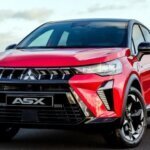 Mitsubishi ASX vs Nissan Qashqai: Which Compact SUV Makes More Sense?
Technology Comparison
| Feature Area | Mitsubishi ASX | Hyundai Tucson |
| Infotainment | Simple and functional | More advanced |
| Cabin screens | Usually modest | Often larger and sharper |
| Smartphone integration | Commonly available | Commonly available |
| Driver-assist tech | Depends heavily on trim | Usually broader |
| Premium features | Limited by variant | More available |
If we simply want music, maps, and a reversing camera, the ASX does the job. If we want a cabin that feels more 2026 than 2016, the Tucson is more convincing.
Engine Options and Driving Feel
Mitsubishi ASX Driving Character
The ASX is not usually about thrilling performance. It is about predictable, relaxed, everyday driving.
In markets where the ASX uses a 2.0-litre petrol engine with CVT, the formula is familiar: smooth enough for daily use, simple to operate, and best suited to commuting rather than sporty driving. Mitsubishi’s listed 2.0-litre MIVEC engine produces 110 kW, or about 150 PS, in one current-market ASX specification.
The ASX feels happiest when we drive it gently. It is not a car that begs to be pushed hard into corners. It is more of a calm companion for errands, school runs, and weekend city escapes.
Hyundai Tucson Driving Character
The Tucson feels more mature and more refined. Depending on market, it may offer petrol, hybrid, or other powertrain choices. Hyundai Australia’s Tucson specification information lists 2.0-litre petrol and 1.6-litre turbo hybrid configurations for current models, depending on grade.
That variety gives the Tucson a big advantage. A buyer who wants basic petrol simplicity can choose one path, while a buyer who wants stronger efficiency and smoother power delivery may look at the hybrid.
The Tucson also tends to feel more composed at higher speeds. It has the bigger-car calmness that makes long drives less tiring.
Fuel Economy and Running Costs
Fuel economy depends heavily on engine, gearbox, tyres, driving habits, road conditions, and market-specific specifications. Still, we can talk about the general pattern.
The Mitsubishi ASX may cost less to buy, insure, and maintain in many cases. Its simpler positioning can make it attractive for budget-conscious buyers. If we do mostly short trips and want to avoid paying extra for size or technology we do not need, the ASX can make strong financial sense.
The Hyundai Tucson may cost more upfront, especially in higher trims or hybrid versions. However, the Tucson can return value through comfort, space, equipment, and potentially better fuel efficiency in hybrid form, depending on the exact model.
Ownership Cost Thinking
Choose the ASX if we care most about:
- Lower starting price
- Simpler ownership
- City-focused use
- Smaller tyres and potentially lower running costs
- Basic practicality
Choose the Tucson if we care most about:
- More features for the money
- More long-term family flexibility
- Hybrid availability in many markets
- Higher comfort
- Better resale appeal in some regions
The cheapest SUV is not always the best-value SUV. Value is what we actually use.
Practicality: Boot Space, Seats, and Everyday Use
The ASX is practical for singles, couples, and small families. It can handle shopping bags, gym gear, school bags, and occasional luggage. It is not tiny, but it is not pretending to be a large family hauler either.
The Tucson gives us more breathing room. Hyundai’s Tucson is commonly recognized as a roomier compact SUV, and third-party boot-space references list Tucson cargo capacity around 539 litres for recent versions, depending on model and measurement method.
That extra cargo space matters when life gets messy. Strollers, sports equipment, suitcases, pets, camping chairs, and bulk grocery runs all expose the difference between “enough space” and “comfortable space.”
Real-Life Practicality Scenarios
Daily Commute
The ASX is easier and lighter. Tucson is smoother and more refined.
Family School Run
The Tucson gives more space and comfort. The ASX works better for smaller families.
Weekend Road Trip
The Tucson wins with cargo room, cabin comfort, and highway stability.
Urban Parking
The ASX fights back hard here. Smaller size is a real advantage.
Safety Features and Driver Assistance
Modern buyers care about safety, and rightly so. We are not just moving metal from A to B; we are carrying people we love.
The ASX’s safety equipment depends on market and trim. It may include features such as stability control, airbags, reversing camera, lane-related assistance, blind-spot systems, or autonomous emergency braking on some versions.
The Tucson often offers a more comprehensive suite of driver-assistance features, especially in newer models and higher trims. Hyundai has invested heavily in safety technology across its SUV range, so Tucson buyers can often access systems such as lane keeping assistance, adaptive cruise control, blind-spot monitoring, rear cross-traffic alert, and advanced braking support depending on specification.
Safety Verdict
The ASX can be safe and sensible, especially if we choose a well-equipped trim. But the Tucson generally feels like the more advanced safety package, particularly for family buyers.
Reliability and Brand Reputation
Mitsubishi has a reputation for building straightforward, durable vehicles. The ASX benefits from that image. It feels like the kind of SUV designed to get on with the job without becoming overly complicated.
Hyundai has transformed its reputation over the last two decades. The brand now competes strongly on design, technology, warranty confidence, and quality perception. The Tucson is one of Hyundai’s most important global SUVs, so it benefits from serious development attention.
Which Brand Feels More Trustworthy?
Both brands can be trusted, but in slightly different ways.
Mitsubishi feels traditional, simple, and proven.
Hyundai feels modern, ambitious, and feature-rich.
For buyers who dislike complexity, the ASX may feel reassuring. For buyers who want modern ownership with more equipment, the Tucson may feel more compelling.
Mitsubishi ASX vs Hyundai Tucson for City Driving
In the city, the ASX makes a strong case for itself. Its smaller footprint means fewer headaches when parking, turning, and squeezing through traffic. It feels less like a chore in crowded places.
The Tucson is still manageable, but it is bigger. That means we may appreciate parking sensors, cameras, and driver-assistance systems more often. In exchange, the Tucson gives us a more comfortable cabin and a more premium feeling commute.
City Winner
For pure city convenience, the Mitsubishi ASX wins.
This content may interest you!Mitsubishi ASX vs Hyundai Kona: Which Compact SUV Fits Real Life Better?It is easier to park, easier to place, and less intimidating for daily urban driving.
Mitsubishi ASX vs Hyundai Tucson for Families
For families, the Tucson has the upper hand.
The extra cabin space, bigger boot, stronger safety-tech availability, and more comfortable road manners make it better suited to parents, children, luggage, and longer journeys.
The ASX can work for a small family, especially if children are young and cargo needs are modest. But as soon as we add child seats, backpacks, sports gear, and holiday luggage, the Tucson starts to feel like the smarter long-term choice.
Family Winner
The Hyundai Tucson wins for families.
It simply gives us more room to grow.
Mitsubishi ASX vs Hyundai Tucson for Long Trips
Long trips reveal a lot about a car. A vehicle that feels fine on a 10-minute commute can become tiring after three hours.
The Tucson generally feels more relaxed on highways. It has a larger, more settled feel, better cabin comfort, and often stronger engine options. It is the SUV we would rather take on a long family drive.
The ASX can handle road trips, of course. But it is more at home with shorter journeys and moderate-speed driving. It may feel less refined than the Tucson when loaded with passengers and luggage.
Road Trip Winner
The Hyundai Tucson wins for long-distance comfort.
Mitsubishi ASX vs Hyundai Tucson for Value
This is where things get interesting.
The ASX may be the better value if we define value as “getting an SUV for less money.” It delivers the essentials: elevated driving position, practical cabin, manageable size, and simple ownership.
The Tucson may be the better value if we define value as “getting more SUV for the money.” It offers more space, more technology, more comfort, and broader powertrain options.
So the value winner depends on our budget and expectations.
Best Value for Budget Buyers
Mitsubishi ASX.
Best Value for Feature Seekers
Hyundai Tucson.
Pros and Cons of the Mitsubishi ASX
Mitsubishi ASX Pros
- Usually more affordable
- Easier to park and maneuver
- Simple and practical cabin
- Good for city driving
- Lower-key design
- Sensible ownership feel
Mitsubishi ASX Cons
- Less spacious than Tucson
- Cabin may feel more basic
- Less premium road feel
- Fewer advanced features in some trims
- Not as strong for long family trips
Pros and Cons of the Hyundai Tucson
Hyundai Tucson Pros
- More spacious interior
- Bigger family-SUV feel
- More modern design
- Better technology availability
- More comfortable on highways
- Hybrid options in some markets
Hyundai Tucson Cons
- Usually more expensive
- Larger size can be less convenient in tight cities
- Higher trims can become costly
- More tech may mean more complexity
- Not as simple as the ASX
Which SUV Should We Buy?
Here is the simplest way to decide.
Buy the Mitsubishi ASX if we want a compact SUV that is easy to drive, easy to park, and usually easier on the wallet. It makes sense for city drivers, first-time SUV buyers, couples, singles, and small families who do not need maximum space.
Buy the Hyundai Tucson if we want a more complete family SUV with better comfort, more technology, more room, and a stronger long-distance personality. It is the better choice if we regularly carry passengers, luggage, or want a vehicle that feels more premium.
Our Practical Recommendation
If we are shopping with our head and watching every dollar, the ASX is hard to ignore.
If we are shopping for the SUV we will still appreciate five years from now, especially with family needs in mind, the Tucson is the stronger all-rounder.
Final Verdict: Mitsubishi ASX vs Hyundai Tucson
The Mitsubishi ASX vs Hyundai Tucson battle is not a clean knockout. It is more like two athletes competing in different weight classes.
The ASX is compact, simple, affordable, and city-friendly. It is the SUV for people who want practicality without overcomplication. It does not need to be flashy to be useful.
The Tucson is larger, smarter, more comfortable, and more family-ready. It costs more, but it also gives more. For many buyers, that extra comfort and space will be worth the stretch.
So, which one wins?
For city life and budget value, we choose the Mitsubishi ASX.
For family life and all-round ability, we choose the Hyundai Tucson.
And if we had to pick one SUV for the widest range of buyers? The Hyundai Tucson takes the crown. It simply covers more bases. But the ASX remains a smart choice for drivers who want a smaller SUV that keeps life simple.
Frequently Asked Questions
Is the Mitsubishi ASX bigger than the Hyundai Tucson?
No. The Hyundai Tucson is generally the larger SUV. The Mitsubishi ASX is usually positioned as a smaller crossover, which makes it easier to park and drive in tight city spaces.
Which is better for families, Mitsubishi ASX or Hyundai Tucson?
The Hyundai Tucson is better for families because it offers more cabin space, more cargo room, and a more comfortable long-distance driving experience.
Is the Mitsubishi ASX cheaper than the Hyundai Tucson?
In many markets, yes. The Mitsubishi ASX is usually positioned as the more affordable option, while the Hyundai Tucson sits higher with more space, technology, and comfort features.
Which SUV is better for city driving?
The Mitsubishi ASX is better for city driving because it is more compact and easier to maneuver. It is a practical choice for tight parking, short commutes, and urban errands.
Which SUV should we choose overall?
Choose the Mitsubishi ASX if we want affordability and simplicity. Choose the Hyundai Tucson if we want more space, comfort, technology, and family-friendly practicality.
This content may interest you!Mitsubishi ASX vs Nissan X-Trail: Which SUV Makes More Sense for Real Life?
Leave a Reply