
Subaru Forester Boot Space: Dimensions, Capacity and Practicality Guide

When we're choosing a family SUV, Subaru Forester boot space is one of the most important things to consider. After all, a vehicle might offer excellent all-wheel-drive performance, impressive safety equipment and comfortable seating, but none of that matters quite as much when we're struggling to fit our luggage, shopping bags or camping equipment into the boot.
Fortunately, the Subaru Forester has developed a reputation for practicality. Its tall body, relatively square cargo area, wide tailgate opening and flexible rear seats make it a useful option for families, pet owners and outdoor enthusiasts.
However, not every Forester offers the same luggage capacity. Boot dimensions vary depending on the generation, model year, market and whether we're looking at the petrol or hybrid version.
In this guide, we'll explore how big the Subaru Forester boot actually is, examine the latest capacity figures, compare older models and discover whether the available space is enough for everyday activities, family holidays and weekend adventures.
- How Big Is the Subaru Forester Boot?
- Subaru Forester Boot Space With Rear Seats Up
- Subaru Forester Boot Space With Seats Down
- Subaru Forester Boot Dimensions
- Subaru Forester Hybrid Boot Space
- Subaru Forester Boot Space by Model Year
- Subaru Forester Boot Design and Practical Features
- Can a Pram Fit in the Subaru Forester Boot?
- How Many Suitcases Fit in a Subaru Forester?
- Is the Subaru Forester Boot Big Enough for Dogs?
- Subaru Forester Boot Space for Camping
- Can We Fit a Bicycle in the Subaru Forester Boot?
- Subaru Forester vs Subaru Outback Boot Space
- Subaru Forester vs Subaru Crosstrek Boot Space
- Subaru Forester vs Toyota RAV4 Boot Space
- Subaru Forester vs Honda CR-V Boot Space
- How to Maximise Subaru Forester Boot Space
- Subaru Forester Boot Space: Advantages and Disadvantages
- Is the Subaru Forester Boot Space Good Enough?
- Final Verdict: Is the Subaru Forester a Spacious SUV?
- Frequently Asked Questions About Subaru Forester Boot Space
How Big Is the Subaru Forester Boot?
The latest Australian-market Subaru Forester offers between 484 and 496 litres of boot space with the rear seats upright, depending on the powertrain.
The petrol version provides 496 litres, while the Strong Hybrid offers 484 litres.
When we fold the rear seats, the total available cargo volume increases considerably. Depending on the model, we can access up to 1,719 litres when measured to the ceiling.
Subaru Forester Boot Space in Litres
| Version (MY26 Australia) | Rear Seats Up | Rear Seats Folded, to Ceiling |
|---|---|---|
| Forester AWD Petrol | 496 L | 1,719 L |
| Forester AWD Premium | 496 L | 1,719 L |
| Forester AWD Sport | 496 L | 1,667 L |
| Forester AWD Touring | 496 L | 1,667 L |
| Forester AWD Hybrid | 484 L | 1,707 L |
| Forester AWD Hybrid Sport | 484 L | 1,655 L |
| Forester AWD Hybrid Touring | 484 L | 1,655 L |
These are specifications for the sixth-generation MY26 Forester sold in Australia. Specifications in other markets and older model years may differ.
One interesting detail is that the petrol Forester actually offers slightly more boot space than the latest hybrid version.
Nevertheless, the difference is relatively small for normal everyday use.
Subaru Forester Boot Space With Rear Seats Up
Most of the time, we'll probably use our Forester with all five seats available.
This makes the standard boot capacity particularly important.
With the rear seats upright, the latest Australian petrol Forester provides 496 litres of luggage space.
That's a useful amount of room for a medium SUV, especially when we consider the relatively upright shape of the cargo area.
Unlike vehicles with steeply sloping rear windows, the Forester has a practical roofline that helps us accommodate taller items.
What Can Fit in the Subaru Forester Boot?
For everyday activities, the boot should comfortably accommodate many common items, depending on their dimensions and how they're arranged.
Examples include:
- Several shopping bags and supermarket purchases.
- A typical folded baby stroller.
- Medium and large suitcases.
- Sports bags and gym equipment.
- A portable cooler and picnic supplies.
- Camping chairs and smaller outdoor accessories.
- A pet carrier of suitable dimensions.
Of course, there's an important difference between theoretical cargo volume and the physical dimensions of individual items.
A large suitcase might fit easily, while a similarly sized rigid storage box could prove more difficult because of its shape.
That's why we should consider both the published capacity and the usable boot dimensions.
Is 496 Litres Enough for a Family?
For many families, yes.
A boot capacity approaching 500 litres provides useful versatility for everyday transport.
We can carry a folded stroller and additional shopping, pack luggage for a short holiday or transport children's sporting equipment without necessarily folding the rear seats.
However, larger families travelling with multiple suitcases, a full-size stroller and bulky baby accessories might find the available space more restrictive.
For that reason, we recommend testing the boot with the actual equipment we regularly carry before buying.
Subaru Forester Boot Space With Seats Down
One of the Forester's biggest advantages is its flexible rear seating arrangement.
The rear seats use a 60/40 split-folding design, allowing us to expand the cargo area while retaining some passenger accommodation.
When the rear seats are folded, the latest Australian Forester offers significantly more storage capacity.
Maximum Subaru Forester Cargo Capacity
The sixth-generation Forester has the following folded-seat capacities:
| Powertrain | Folded-Seat Volume | Maximum Volume to Ceiling |
|---|---|---|
| Petrol | 1,174 L | 1,667–1,719 L |
| Strong Hybrid | 1,162 L | 1,655–1,707 L |
The standard folded-seat figures and the larger ceiling-height figures represent different ways of describing the usable cargo area.
The maximum ceiling-height capacity depends on the model's equipment and roof configuration.
Why Folding the Seats Makes Such a Difference
By lowering the rear seats, we create a longer loading area extending towards the front seats.
This arrangement is especially useful when transporting:
- Flat-pack furniture.
- Larger camping equipment.
- Long sports bags.
- Foldable bicycles.
- Moving boxes.
- Gardening supplies.
- Bulky household purchases.
Naturally, we still need to check the actual cargo length and width before trying to transport particularly large objects.
Can We Fold Just One Rear Seat?
Yes. The 60/40 arrangement means we don't need to fold the entire second row.
For example, we can lower the narrower section to accommodate longer objects while keeping more rear passenger seating available.
Alternatively, folding the wider section creates additional loading space while retaining a narrower seat.
This flexibility can be particularly useful for families who regularly travel with children.
Subaru Forester Boot Dimensions
Luggage capacity is generally advertised in litres, but the physical dimensions of the boot can be more important when we're transporting rigid objects.
Three measurements deserve particular attention:
- Boot floor length.
- Available width between the wheel arches.
- Maximum usable height beneath the parcel shelf or roof.
The precise measurements depend on the generation, trim and seating configuration.
Subaru Forester Boot Length
The available boot length determines whether we can transport long items without folding the rear seats.
When the rear seats remain upright, we're limited to the area between the tailgate and the second-row seatbacks.
Folding the seats increases this distance considerably.
However, the final available length also depends on the position of the front seats.
If we're planning to transport a bicycle, furniture or large piece of equipment, it's worth measuring the object and testing the loading position in person.
Subaru Forester Boot Width
The Forester's relatively square cargo area is useful because the space doesn't narrow as dramatically towards the tailgate as it does in some coupe-style SUVs.
Nevertheless, the wheel arches reduce the width available near the floor.
This matters when we're transporting wide storage containers, pet crates or equipment that cannot be positioned diagonally.
Subaru Forester Boot Height
The Forester's tall SUV body gives it a useful vertical cargo area.
This is particularly helpful for accommodating items such as upright suitcases, stacked soft bags and certain pet carriers.
This content may interest you! Subaru Forester Engine Oil: Complete Guide to Oil Types, Capacity, and Maintenance
However, we should distinguish between the full interior height and the space available beneath the retractable cargo cover.
For regular journeys, keeping luggage below the cover or rear-seatback height is generally safer than stacking unsecured items towards the roof.
Subaru Forester Hybrid Boot Space
Hybrid vehicles sometimes sacrifice luggage capacity because their batteries and additional electrical components need extra space.
So, does the Subaru Forester Hybrid have a smaller boot?
The answer depends on the generation we're comparing.
2026 Subaru Forester Strong Hybrid Boot Capacity
In Australia, the MY26 Forester Strong Hybrid provides:
- 484 litres with the rear seats upright.
- 1,162 litres with the rear seats folded under the standard volume measurement.
- Up to 1,707 litres with the rear seats folded and cargo measured to the ceiling, depending on trim.
Compared with the latest petrol model, the hybrid loses 12 litres of standard boot capacity.
In practical terms, this difference is unlikely to determine whether a normal shopping bag or small suitcase will fit.
However, it could matter when we're trying to maximise storage space for a particularly large object.
Does the Hybrid Battery Affect Boot Space?
The packaging of the hybrid system influences the vehicle's overall design and cargo specifications.
Importantly, we shouldn't assume that every Forester Hybrid has less cargo space than its petrol equivalent.
The previous-generation Australian Forester Hybrid actually offered more published luggage volume than the petrol version.
That's one reason why checking the exact model year is essential.
Is the Subaru Forester Hybrid Practical for Families?
Yes, the current hybrid remains a practical five-seat SUV.
We still benefit from a flexible cargo area, split-folding rear seats and the familiar tall Forester body.
For most buyers, the decision between petrol and hybrid is likely to depend more heavily on fuel consumption, purchase price and driving preferences than on the relatively small difference in standard boot capacity.
Subaru Forester Boot Space by Model Year
The Subaru Forester has evolved considerably over the years, and different generations can offer different cargo capacities.
This is particularly important when we're shopping for a used vehicle.
A 2024 Forester and a 2026 Forester might look broadly similar in terms of practicality, but their published figures aren't identical.
2024–Early 2025 Subaru Forester Boot Space
The previous-generation Australian Forester offered the following specifications:
| Version | Seats Up | Seats Folded, to Ceiling |
|---|---|---|
| Petrol, most grades | 498 L | 1,768 L |
| Petrol Sport / 2.5i-S | 498 L | 1,740 L |
| Hybrid | 509 L | 1,779 L |
These capacities relate to the previous-generation Australian model, not every vehicle registered in 2025.
Because the sixth-generation Forester arrived in Australia during 2025, buyers should check the vehicle's generation and model-year designation rather than relying only on its registration year.
2026 Subaru Forester Boot Space
The newer generation provides:
- 496 litres for Australian petrol variants.
- 484 litres for Australian Strong Hybrid variants.
- Up to 1,719 litres with the seats folded in selected petrol versions.
- Up to 1,707 litres with the seats folded in the entry Strong Hybrid.
Interestingly, the latest generation doesn't necessarily provide more luggage volume than its predecessor.
However, improvements to convenience, packaging and equipment can still influence how practical the boot feels.
Why Do Different Websites Show Different Figures?
If we've researched the Subaru Forester online, we might have encountered several different capacity figures.
This happens because:
- Specifications change between generations.
- Petrol and hybrid versions can have different capacities.
- Sunroofs and other equipment may affect maximum cargo volume.
- Manufacturers use different measurement conventions.
- American, Australian and European vehicle specifications aren't always identical.
For example, the current UK-market Forester is listed with 508 litres of boot space with the seats upright, while the Australian MY26 petrol model is listed at 496 litres.
Similarly, American specifications generally use cubic feet rather than litres.
The American 2026 Forester has published cargo figures of 27.5 or 29.6 cubic feet with the seats upright, depending on trim, and maximum capacities of 69.1 or 74.4 cubic feet.
We shouldn't directly compare every international figure without checking how it was measured.
Subaru Forester Boot Design and Practical Features
Boot capacity alone doesn't tell us everything about how useful an SUV will be.
A vehicle with a smaller but well-designed cargo compartment can sometimes accommodate everyday belongings more conveniently than a larger vehicle with an awkward shape.
Fortunately, the Forester benefits from several thoughtful design choices.
Wide Tailgate Opening
The Subaru Forester has a relatively generous rear opening.
This makes loading bulky luggage, shopping and outdoor equipment easier.
A wide tailgate is particularly helpful when an object fits inside the boot but is difficult to manoeuvre through the opening.
Relatively Square Cargo Area
One of the Forester's most practical characteristics is its upright rear design.
Rather than prioritising a sporty, sharply sloping roofline, Subaru has retained the traditional SUV shape.
This provides useful vertical space and helps make the cargo compartment easier to organise.
Split-Folding Rear Seats
The 60/40 split-folding arrangement makes the vehicle adaptable.
We can carry five passengers when required or sacrifice part of the rear seating area to transport longer equipment.
Power Tailgate Availability
Depending on the model and market, the Forester can be equipped with an electrically operated rear tailgate.
Some newer variants also offer hands-free operation.
This is convenient when we're carrying shopping bags or other equipment and don't have a free hand to open the boot.
Nevertheless, not every Forester comes with the same tailgate equipment, so checking the exact grade remains important.
Can a Pram Fit in the Subaru Forester Boot?
One of the most common questions families ask is whether the Forester can accommodate a baby stroller or pram.
The answer is generally yes, provided the stroller's folded dimensions are compatible with the cargo area.
For compact travel strollers, the Forester should offer plenty of flexibility.
Larger travel systems may occupy a substantial proportion of the boot.
What About a Large Baby Stroller?
Full-size prams can be bulky, particularly those with large wheels, bassinets or additional accessories.
This content may interest you!Subaru Forester Engine Light: Causes, Warning Signs, and How to Fix ItBefore purchasing the vehicle, we'd recommend checking:
- The folded stroller's length and width.
- Whether the wheels need to be removed.
- How much room remains for shopping.
- Whether the cargo cover can stay in place.
- How easily we can lift the stroller over the loading edge.
If we're regularly travelling with a stroller and several suitcases, physically testing the equipment will be more useful than comparing litre figures alone.
How Many Suitcases Fit in a Subaru Forester?
The number of suitcases we can fit depends on their size, shape and whether the rear seats are occupied.
With the rear seats upright, the Forester can accommodate a useful selection of travel bags.
For instance, a couple of medium suitcases alongside smaller soft bags may be a realistic arrangement, depending on their dimensions.
However, we shouldn't assume every combination of large rigid suitcases will fit.
Best Packing Arrangement for a Family Holiday
When we're packing for a longer journey, a few practical techniques can make a difference.
Place heavier suitcases on the boot floor and use flexible bags to fill smaller gaps.
Keeping frequently needed belongings close to the tailgate can also save time at rest stops.
It's equally important to avoid stacking unsecured luggage above the rear-seatback height.
If extra height is required, suitable cargo restraints or a vehicle-specific cargo barrier may be necessary.
Is the Subaru Forester Boot Big Enough for Dogs?
The Forester is a popular type of vehicle for pet owners because its cargo area is relatively accessible and its upright body provides useful headroom.
For smaller and medium-sized dogs, the boot can offer a practical transportation area when appropriate restraints are fitted.
Larger dogs may also fit, but their comfort depends on their size, the available floor area and the type of travel crate or restraint used.
Can a Large Dog Crate Fit?
Possibly, but we should never choose a dog crate based only on the vehicle's advertised boot capacity.
A crate must fit through the tailgate opening and sit securely within the available cargo area.
We should measure:
- The crate's external width.
- Its external height.
- The crate's depth.
- The narrowest part of the tailgate opening.
- The boot's floor width between the wheel arches.
We should also make sure the dog can stand, turn around and lie down comfortably inside the crate.
Practical Tips for Travelling With Dogs
A protective boot liner can help protect the interior from dirt and moisture.
We should also use a properly secured travel crate or suitable pet restraint rather than allowing a dog to move freely around the cargo compartment.
For long journeys, access to ventilation and regular breaks is essential.
Subaru Forester Boot Space for Camping
The Forester's cargo area makes it appealing for outdoor activities.
With its rear seats folded, we can create substantially more room for camping equipment.
This might include tents, sleeping bags, folding chairs, coolers and smaller cooking equipment.
Can We Fit Camping Gear for Two People?
For two people travelling with the rear seats folded, the Forester offers a flexible storage area.
Because we're not using the second row for passengers, we can distribute equipment across a longer cargo floor.
Soft bags are particularly helpful because they fit into irregular spaces around larger pieces of equipment.
What About Camping With Four People?
Camping with four occupants presents a bigger challenge because most of the rear seating must remain available.
In that situation, we'll need to use the standard 484–496-litre boot rather than the expanded cargo compartment.
For short trips with compact camping equipment, that may still be sufficient.
However, bulky tents, inflatable mattresses and large coolers can quickly consume the available space.
A suitable roof-mounted cargo box may provide additional storage, provided we follow the vehicle's roof-load limits and the equipment manufacturer's instructions.
Can We Fit a Bicycle in the Subaru Forester Boot?
Transporting a bicycle inside an SUV is possible, but wheel size, frame geometry and overall bicycle dimensions matter.
With the rear seats folded, some bicycles can fit inside a Forester after removing the front wheel or adjusting the handlebars.
However, we shouldn't assume every adult mountain bike or road bike will fit without disassembly.
Mountain Bikes and Road Bikes
Mountain bikes with wide handlebars and large wheels can be particularly challenging to load.
A road bike may be easier to position, although the frame size and wheelbase still matter.
Before transporting a bicycle, we recommend checking the available cargo length, width and diagonal clearance.
Alternatives to Carrying Bikes Inside
If we frequently transport bicycles, a compatible towbar-mounted or roof-mounted bicycle carrier may be more convenient.
This allows us to retain passenger and luggage space.
Just remember that any accessory must comply with the vehicle's weight limits and applicable regulations.
Subaru Forester vs Subaru Outback Boot Space
If maximum luggage capacity is a priority, we might also consider the Subaru Outback.
The latest Australian Outback offers 530 litres of cargo space with its rear seats upright, compared with 496 litres in the petrol Forester and 484 litres in the hybrid Forester.
| Model | Boot Space, Seats Up |
|---|---|
| Subaru Forester Petrol MY26 | 496 L |
| Subaru Forester Hybrid MY26 | 484 L |
| Subaru Outback (current Australian model) | 530 L |
The Outback therefore provides more standard luggage capacity.
However, boot volume isn't the only consideration.
The Forester has a taller, more upright SUV-style body, while the Outback offers a longer vehicle layout.
Which Is Better for Families?
Both can work well as family vehicles.
We might prefer the Forester if we value an upright cabin, a practical rear opening and a relatively manageable vehicle footprint.
The Outback could be more appealing if we regularly carry larger amounts of luggage or prefer its longer body.
The best option depends on what we transport and where we normally drive.
Subaru Forester vs Subaru Crosstrek Boot Space
The Subaru Crosstrek is another alternative worth considering.
This content may interest you!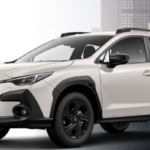 Subaru Crosstrek Cargo Space: How Much Room Does It Really Have?
However, it's smaller than the Forester and provides less standard cargo capacity.
According to Australian specifications, the current Crosstrek offers 291 litres in petrol form and 315 litres in hybrid form.
By comparison, the Forester provides 496 litres in petrol form and 484 litres in hybrid form.
Is the Forester Worth Choosing for Extra Boot Space?
If we regularly carry a stroller, several suitcases or outdoor equipment, the Forester's larger cargo area could make a meaningful difference.
The Crosstrek might still suit drivers who prioritise a smaller vehicle for urban use and don't frequently transport bulky items.
For families needing more luggage space, however, the Forester is generally the more practical choice.
Subaru Forester vs Toyota RAV4 Boot Space
The Toyota RAV4 is one of the Forester's most direct competitors.
Both vehicles are popular among buyers looking for versatile medium SUVs.
However, comparing their cargo figures requires some care.
The latest Australian RAV4 range advertises up to 705 litres in Hybrid Electric form, depending on the variant.
That headline figure is larger than the Forester's standard boot specification, but different measurement approaches and vehicle configurations can affect how meaningful the comparison is.
Which SUV Has the More Practical Boot?
The answer depends on the shape and dimensions of the items we want to carry.
The Forester's upright cargo area and wide rear opening can be particularly convenient for tall or bulky equipment.
The RAV4 is also worth considering if total advertised luggage volume is a major priority.
Rather than choosing solely by capacity, we recommend comparing boot-floor dimensions, loading height, tailgate clearance and how easily the rear seats fold.
Subaru Forester vs Honda CR-V Boot Space
The Honda CR-V is another practical family SUV.
Certain Australian five-seat CR-V versions advertise around 581–589 litres of boot space, depending on the variant.
This exceeds the MY26 Australian Forester's published seats-up capacity.
However, different cargo measurement conventions may influence comparisons.
Which One Should We Choose?
The Honda CR-V is worth considering if we want a roomy family SUV with a generous cargo compartment.
The Forester remains appealing for buyers who appreciate its standard all-wheel-drive configuration, tall interior and flexible boot arrangement.
Both deserve consideration, particularly if we regularly travel with children or large amounts of luggage.
How to Maximise Subaru Forester Boot Space
Even when a vehicle offers generous luggage capacity, organisation can make the difference between a stressful journey and a comfortable one.
Fortunately, there are several ways to make better use of the Forester's cargo area.
Use Flexible Luggage
Soft travel bags can be easier to position than rigid suitcases.
They allow us to take advantage of smaller spaces around larger items.
Fold the Rear Seats When Possible
When we don't need all five seats, folding one or both rear seatbacks can dramatically improve cargo flexibility.
Consider a Roof Box
A compatible roof box can provide additional enclosed storage for longer journeys.
However, we must respect the vehicle's roof-loading limits, including the weight of the roof box, crossbars and cargo.
Install a Boot Organiser
A cargo organiser helps prevent smaller objects from moving around while driving.
This is particularly useful for shopping bags, cleaning products and emergency supplies.
Keep Heavy Items Low
Heavier belongings should be placed low in the cargo area and secured appropriately.
This helps reduce the risk of movement during braking or sudden manoeuvres.
Subaru Forester Boot Space: Advantages and Disadvantages
Before deciding whether the Forester offers enough space, it's worth considering the main advantages and limitations.
Advantages
- Practical 484–496-litre standard boot in current Australian models.
- Large expanded cargo area with the seats folded.
- Relatively square cargo compartment.
- Useful vertical luggage space.
- Wide tailgate opening.
- Flexible 60/40 split-folding rear seats.
- Suitable for many everyday family activities.
- Convenient design for outdoor equipment and pet transport.
Disadvantages
- The latest hybrid has slightly less standard cargo volume than the petrol version.
- Some competitors offer greater advertised boot capacity.
- Bulky items may still require folding the rear seats.
- Maximum cargo volume varies by trim.
- A large pram and multiple suitcases can occupy much of the available space.
- The boot floor width is restricted by the wheel arches.
Overall, the Forester offers a good balance between passenger accommodation and luggage versatility.
Is the Subaru Forester Boot Space Good Enough?
For most everyday situations, we'd consider the Subaru Forester's cargo area one of its practical strengths.
It provides enough room for typical family shopping, luggage and sports equipment, while the split-folding rear seats allow us to transport significantly larger objects when necessary.
The current 496-litre petrol boot is particularly useful when all five seats are occupied.
Although the hybrid provides slightly less capacity, 484 litres remains a practical amount of storage for a medium SUV.
We also appreciate the relatively upright rear body design because it makes the cargo compartment feel accessible and usable.
However, anyone who regularly transports extremely bulky objects, multiple large suitcases or oversized pet crates should compare the Forester's physical dimensions with those of competing vehicles.
Final Verdict: Is the Subaru Forester a Spacious SUV?
The Subaru Forester remains an appealing choice for drivers who want a versatile SUV without moving into a substantially larger vehicle.
Its boot provides a useful combination of space, accessibility and flexibility.
The latest Australian petrol Forester offers 496 litres, while the Strong Hybrid provides 484 litres with the rear seats upright.
With the rear seats folded, selected versions provide more than 1,700 litres of cargo volume when measured to the ceiling.
Although certain competitors advertise larger boots, the Forester compensates with its practical shape, convenient rear opening and adaptable interior.
If we're looking for a family SUV capable of handling supermarket trips, holidays, pets and outdoor adventures, the Subaru Forester deserves serious consideration.
Ultimately, the most important question isn't simply how many litres the boot holds. It's whether the available dimensions accommodate the belongings we actually need to carry.
And for many households, the Forester offers a very useful balance.
Frequently Asked Questions About Subaru Forester Boot Space
1. How much boot space does a Subaru Forester have?
The MY26 Australian Subaru Forester petrol model offers 496 litres of boot space with the rear seats upright. The Strong Hybrid version provides 484 litres. Capacity varies for older generations and international models.
2. How big is the Subaru Forester boot with the seats down?
The latest Australian Forester offers up to 1,719 litres with the rear seats folded and cargo measured to the ceiling in selected petrol versions. The Strong Hybrid offers up to 1,707 litres, depending on the trim.
This content may interest you!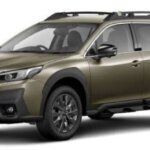 Subaru Outback Boot Space: Dimensions, Capacity and Practicality
3. Is the Subaru Forester boot big enough for a pram?
Yes, many folded prams and strollers can fit in the Subaru Forester boot. However, full-size travel systems vary considerably in size, so it's important to check the stroller's folded dimensions and test the fit before purchasing.
4. Does the Subaru Forester Hybrid have less boot space?
The latest Australian Strong Hybrid offers 484 litres, compared with 496 litres in the petrol version. However, the previous-generation Australian hybrid actually had a larger published boot capacity than the corresponding petrol models.
5. Which has more boot space, Subaru Forester or Outback?
The current Australian Subaru Outback offers 530 litres with the rear seats upright, compared with 496 litres in the petrol Forester and 484 litres in the hybrid Forester. The Outback therefore provides more standard cargo volume, although both vehicles offer practical storage arrangements.
Leave a Reply