
Why Not to Buy Mazda CX-5: The Honest Buyer’s Guide We Wish We Had First

The Mazda CX-5 is one of those compact SUVs that makes a great first impression. It looks sharp, drives with a sporty edge, and feels more premium inside than many rivals in the same price bracket. On a test drive, it can feel like the sensible crossover went to finishing school, learned good posture, and came back wearing a tailored jacket.
But here is the thing: a good SUV is not automatically the right SUV for everyone.
When we ask why not to buy Mazda CX-5, we are not saying the CX-5 is a bad vehicle. Far from it. In many ways, it is one of the more polished compact SUVs on the market. But buying a car is not about choosing the one with the nicest dashboard or the prettiest paint color. It is about choosing the vehicle that fits our daily life, our budget, our family, our roads, and our patience.
And the CX-5 has some real drawbacks.
Some buyers may find it too small in the rear seats. Others may dislike the limited cargo space compared with rivals. Some may want stronger fuel economy, a hybrid option, more touchscreen simplicity, or a softer ride. If we are shopping for a practical family SUV, the CX-5’s stylish personality can sometimes feel like a pair of expensive shoes: beautiful, well-made, but not always the most comfortable for every walk.
So let’s break it down honestly.
- Why Not to Buy Mazda CX-5? The Quick Answer
- 1. The Rear Seat Can Feel Tight for Families
- 2. Cargo Space Is Not Class-Leading
- 3. Fuel Economy Is Not the CX-5’s Strongest Argument
- 4. The Ride Can Feel Firm on Rough Roads
- 5. The Infotainment System May Not Suit Everyone
- 6. The CX-5 Can Become Expensive in Higher Trims
- 7. It Is Not the Best SUV for Towing
- 8. It Is Not a Real Off-Road SUV
- 9. The Base Engine May Feel Just Adequate
- 10. Visibility Is Good, But Not Perfect
- 11. Rear Door Openings May Not Be Ideal for Everyone
- 12. The Cargo Floor and Shape May Not Fit Bulky Gear
- 13. It May Not Be the Best Choice for Maximum Comfort
- 14. Storage Spaces Inside Could Be Better
- 15. Some Buyers May Prefer a Bigger SUV
- 16. It Is Not the Most Future-Proof Choice
- 17. Resale Value Is Good, But Rivals May Be Stronger
- 18. Maintenance and Repairs May Not Always Be the Cheapest
- 19. The CX-5’s Premium Interior May Distract From Practical Weaknesses
- 20. It Might Not Be the Best Family SUV
- 21. Who Should Not Buy a Mazda CX-5?
- 22. Who Might Still Love the Mazda CX-5?
- 23. Mazda CX-5 Alternatives Worth Considering
- 24. What to Check Before Buying a Mazda CX-5
- 25. Used Mazda CX-5 Warning Signs
- 26. Is the Mazda CX-5 Overrated?
- 27. Final Verdict: Why Not to Buy Mazda CX-5
- FAQs About Why Not to Buy Mazda CX-5
Why Not to Buy Mazda CX-5? The Quick Answer
The main reasons not to buy a Mazda CX-5 are its smaller interior space, limited cargo room, firm ride, average fuel economy, lack of a traditional hybrid option in many model years, and higher trims that can become expensive quickly. It is also not the best choice for buyers who prioritize maximum rear-seat comfort, towing, off-road ability, or low-maintenance simplicity above driving feel and style.
In other words, the CX-5 is great for people who want a compact SUV that feels classy and fun. But it may disappoint buyers who need the roomiest, most fuel-efficient, most rugged, or most family-friendly option.
The Mazda CX-5 Is Good, But Not Perfect
We should give Mazda credit where it is due. The CX-5 has a premium-feeling cabin, attractive design, confident handling, and a strong safety reputation. It does many things well.
But “well” does not mean “best.”
Some competitors offer more rear-seat room. Some have bigger cargo areas. Some deliver better fuel economy. Some are more comfortable on rough roads. Some give us hybrid powertrains, plug-in options, or easier infotainment systems.
That is why the smartest CX-5 buyer is not the person who falls in love immediately. It is the person who asks, “What am I giving up?”
1. The Rear Seat Can Feel Tight for Families
One of the biggest reasons not to buy a Mazda CX-5 is rear-seat space. If we regularly carry adults, tall teenagers, or rear-facing child seats, the CX-5 may feel a little snug.
The front seats are comfortable and supportive, but the second row does not feel as generous as some rivals. In a world where compact SUVs are often used as family haulers, that matters. A rear-facing child seat can push the front passenger seat forward. Tall passengers may wish for more knee room. On longer road trips, the back seat can feel less like a lounge and more like an economy-class seat with good materials.
Why Rear Space Matters More Than We Think
When we test-drive a car, we usually sit in the driver’s seat. We adjust the mirrors, feel the steering wheel, and admire the screen. But daily life happens everywhere.
Kids climb in with backpacks. Friends pile in after dinner. Parents sit in the back during airport runs. Dogs stretch across the seat. Suddenly, that “compact” part of compact SUV becomes very real.
If we rarely use the back seat, no problem. But if the second row is part of our everyday routine, the CX-5 deserves a careful test.
Who Might Feel the Rear Seat Problem Most?
The rear seat may be a drawback for:
- Families with two child seats
- Tall drivers with tall rear passengers
- Rideshare drivers
- Road-trip families
- Buyers comparing it with roomier SUVs
- Anyone who often carries adults in the second row
2. Cargo Space Is Not Class-Leading
The Mazda CX-5 has usable cargo space, but it is not the cargo king. If our SUV needs to swallow strollers, sports gear, camping equipment, luggage, groceries, and random “we might need this” family items, the CX-5 may feel limited.
This is one of those issues that does not always show up during a showroom visit. The cargo area looks neat and nicely finished. But once we start loading real-life stuff, the limitations become clearer.
The Cargo Area Is Fine, But Rivals May Offer More
For a single person, a couple, or a small family, the CX-5’s cargo space may be enough. But if we are comparing it to practical rivals like the Toyota RAV4, Honda CR-V, Subaru Forester, Hyundai Tucson, or Kia Sportage, we may notice that some competitors feel boxier and more useful.
The CX-5’s design prioritizes style and driving feel. That creates a sleek profile, but it also means we may not get the most squared-off, furniture-friendly cargo hold.
The “Costco Test” Is Real
Forget fancy brochures. The real question is simple: can it handle our weekend?
If our normal weekend includes groceries, a stroller, sports bags, a cooler, and a folded chair or two, we should physically test the space. Bring the stroller. Bring the suitcase. Bring the dog crate if that is part of our life.
A cargo area that looks fine empty can become a puzzle box when life starts throwing pieces into it.
3. Fuel Economy Is Not the CX-5’s Strongest Argument
Another reason why not to buy Mazda CX-5 is fuel economy. The CX-5 is not terrible on gas, but it is not the most efficient compact SUV either.
Mazda focuses heavily on driving enjoyment, steering feel, and a naturally responsive experience. That gives the CX-5 character, but buyers who care mainly about fuel savings may find better options elsewhere.
No Traditional Hybrid Option Has Hurt Its Appeal
Many shoppers now expect a compact SUV to offer a hybrid version. Toyota has the RAV4 Hybrid. Honda has the CR-V Hybrid. Hyundai and Kia offer hybrid choices in this segment. For many buyers, that makes the CX-5 feel a step behind.
If we drive a lot in city traffic, a hybrid rival may save fuel and feel smoother in stop-and-go conditions. Over several years, those savings can add up.
The Turbo Models Can Be Thirstier
The turbocharged CX-5 models are more exciting, but they also use more fuel. That is the classic trade-off: more punch, more appetite.
If we love strong acceleration, the turbo may be tempting. But if our goal is to keep monthly costs down, we need to consider fuel prices, driving habits, and whether we truly need the extra performance.
4. The Ride Can Feel Firm on Rough Roads
The Mazda CX-5 often gets praised for its handling, and honestly, it deserves that praise. It feels composed, planted, and more connected than many compact SUVs. But the flip side is ride comfort.
On smooth pavement, the CX-5 feels elegant. On rough roads, potholes, broken pavement, or uneven city streets, it may feel firmer than expected.
Sporty Handling Comes With a Trade-Off
Mazda tunes its vehicles to feel more athletic. That makes the CX-5 enjoyable on curvy roads. But not every buyer wants sporty. Some of us just want soft, quiet, and easy.
Think of it like choosing between running shoes and plush slippers. The CX-5 is closer to the running shoe: supportive, responsive, and ready to move. But if we want a cushy ride, other SUVs may feel more relaxing.
Test Drive It on Bad Roads, Not Just Good Ones
A short test drive around a dealership usually happens on decent roads. That can hide ride-quality issues.
We should drive over the kind of roads we actually use: cracked pavement, speed bumps, city streets, rough suburban lanes, or rural roads. If the CX-5 feels too firm there, it probably will not become softer after purchase.
This content may interest you! Are Mazda CX-5 Easy to Steal? A Practical, Honest Look at Theft Risk
5. The Infotainment System May Not Suit Everyone
Mazda’s infotainment philosophy has changed over time, but many CX-5 models use a control-knob-based system rather than operating like a full-time touchscreen in every situation. Some people love this because it reduces fingerprints and can be easier while driving. Others find it frustrating because they are used to tapping the screen like a phone.
This is not necessarily a flaw, but it can be a dealbreaker.
Some Drivers Prefer a Simple Touchscreen
We live in a touchscreen world. Phones, tablets, kiosks, TVs, and even refrigerators have trained us to tap, swipe, and pinch.
So when an SUV asks us to use a rotary controller, menu structure, or limited touch function, it can feel less natural at first. Some drivers adapt quickly. Others never fully love it.
Tech Preferences Are Personal
This is why we should not let reviewers decide for us. We should pair our phone, set a destination, change audio, use Apple CarPlay or Android Auto, and adjust settings before buying.
If we feel annoyed during a 10-minute test, imagine how we may feel after three years.
6. The CX-5 Can Become Expensive in Higher Trims
At lower trims, the Mazda CX-5 can look like a strong value. But as we climb into premium trims, turbo models, leather interiors, bigger wheels, upgraded audio, and luxury-style features, the price can rise quickly.
Suddenly, the “affordable compact SUV” starts stepping into near-luxury territory.
Mazda does a great job making interiors feel expensive. Soft-touch materials, clean design, and elegant controls help the CX-5 punch above its class.
But we still need to ask: are we paying for the features we truly need, or are we getting seduced by the vibe?
A top-trim CX-5 may cost close to larger, more practical, or more efficient SUVs. At that point, comparison shopping becomes essential.
The Sweet Spot May Not Be the Fancy Trim
For many buyers, the best CX-5 is not the most expensive one. Mid-level trims often deliver the best balance. But if the features we want are locked behind higher trims, the CX-5 may not be the bargain it first appears to be.
7. It Is Not the Best SUV for Towing
If towing matters, the Mazda CX-5 is not the strongest choice. It can handle light-duty towing when properly equipped, but it is not built to be a serious towing machine.
This matters for buyers with small trailers, boats, campers, or heavy weekend toys.
Compact SUVs Have Limits
The CX-5 is a compact crossover, not a truck. Its structure, engine options, transmission tuning, and cooling systems are designed primarily for daily driving, commuting, and family use.
If we tow only occasionally and keep loads light, it may work. But if towing is a frequent part of life, we should look at something more capable.
Better Towing Options Exist
Buyers who need stronger towing may prefer a midsize SUV, a truck, or a compact SUV with higher towing ratings. The CX-5 is simply not trying to win that battle.
And that is okay. But we should not buy it expecting it to behave like a workhorse.
8. It Is Not a Real Off-Road SUV
The Mazda CX-5 offers available or standard all-wheel drive depending on model year and market, and it can handle rain, snow, gravel roads, and light dirt paths. But it is not a true off-road vehicle.
If our dream weekends involve deep mud, rocky trails, steep ruts, or remote camping roads, the CX-5 may not be rugged enough.
AWD Does Not Mean Adventure Beast
All-wheel drive helps with traction. It does not magically create high ground clearance, low-range gearing, underbody protection, or serious off-road suspension.
The CX-5 is more “rainy commute and snowy driveway” than “mountain trail warrior.” It is like a stylish hiking jacket: great for everyday weather, not necessarily built for climbing Everest.
Buy Something Tougher for Real Trails
For serious off-road driving, we should consider vehicles designed with more rugged hardware. The CX-5 can do light adventure, but it is not the SUV to punish on harsh terrain.
9. The Base Engine May Feel Just Adequate
The standard Mazda CX-5 engine is smooth enough for daily use, but some drivers may find it underwhelming, especially when merging, passing, climbing hills, or carrying passengers and luggage.
It is not painfully slow, but it is not thrilling either.
The CX-5 Looks Sportier Than It Feels in Base Form
This is one of the interesting contradictions of the CX-5. It looks athletic. It handles well. The cabin feels driver-focused. So naturally, we expect strong acceleration.
But the base engine can feel more sensible than spicy. It gets the job done, but it may not deliver the excitement the design promises.
The Turbo Fixes Power, But Adds Cost
The turbo engine gives the CX-5 more personality, but it also raises the price and fuel consumption. So we are left with a decision: accept average power or pay more for performance.
For some buyers, that trade-off is perfectly fine. For others, it is a reason to shop elsewhere.
10. Visibility Is Good, But Not Perfect
The CX-5 has a stylish shape, and style sometimes comes at the cost of visibility. The rear window and rear-quarter visibility may not feel as open as boxier rivals.
Modern safety features help, of course. Blind-spot monitoring, cameras, and sensors can reduce stress. But technology does not fully replace natural visibility.
Parking Confidence Matters
If we drive in tight cities, crowded parking lots, narrow garages, or school pickup lines, visibility matters every day.
A car can be beautiful from the outside but stressful from the inside if we do not feel confident placing it on the road.
Try Reversing and Parking Before Buying
During the test drive, do not just drive forward. Reverse into a space. Parallel park. Check mirrors. Use the backup camera. Look over your shoulder.
If the CX-5 feels less open than expected, that feeling may not disappear later.
11. Rear Door Openings May Not Be Ideal for Everyone
The CX-5’s rear doors are fine for most adults, but parents installing car seats or helping small children may want wider openings. Some rival SUVs feel easier when loading kids, bags, or bulky items into the second row.
This is a small detail until it becomes a daily annoyance.
This content may interest you!Are Mazda CX-5 Expensive to Fix? A Real-World Repair Cost GuideFamily Convenience Is Built From Tiny Moments
A family SUV is not judged only by horsepower and screen size. It is judged by rushed mornings, rainy school pickups, sleepy toddlers, grocery bags, and grandparents climbing in.
If the rear doors, seat height, or cabin layout make those moments harder, the SUV loses points.
12. The Cargo Floor and Shape May Not Fit Bulky Gear
Cargo volume numbers are useful, but shape matters too. A square cargo area often works better than a stylish one, even if the numbers look similar on paper.
The CX-5’s cargo area may be enough for normal use, but buyers with bulky gear should inspect it closely.
Outdoor Gear Buyers Should Be Careful
If we carry bikes, coolers, camping bins, golf bags, musical equipment, pet crates, or work tools, we need more than a pretty cargo bay.
We need length, height, width, tie-down points, and easy loading.
The CX-5 can manage many of these jobs, but it may not be as flexible as some roomier rivals.
13. It May Not Be the Best Choice for Maximum Comfort
The CX-5 feels refined, but it is not the softest compact SUV. Drivers who want a quiet, cushy, almost floating ride may prefer something more comfort-focused.
This does not mean the CX-5 is uncomfortable. It simply leans more toward control than softness.
Comfort Buyers Should Compare Carefully
A Toyota RAV4, Honda CR-V, Hyundai Tucson, Kia Sportage, or Subaru Forester may feel different in seating position, suspension comfort, cabin openness, and storage convenience.
The CX-5’s charm is in its premium and sporty feel. But if our top priority is “make every trip feel easy,” we should compare before deciding.
14. Storage Spaces Inside Could Be Better
The CX-5 cabin looks clean and upscale, but interior storage is not always as generous as some competitors. Families often need big cupholders, door pockets, center console space, phone trays, snack storage, and places to hide everyday clutter.
The CX-5 can feel elegant, but not always ultra-practical.
Minimalist Cabins Can Become Messy Fast
A clean cabin is beautiful when empty. But daily life brings sunglasses, charging cables, receipts, water bottles, wipes, toys, keys, and coins.
If a vehicle does not offer enough smart storage, everything starts floating around like loose puzzle pieces.
15. Some Buyers May Prefer a Bigger SUV
The Mazda CX-5 sits in the compact SUV class, but some buyers really need a midsize SUV and do not realize it until later.
If we regularly travel with family, pets, luggage, and gear, the CX-5 may become cramped.
The “Almost Big Enough” Trap
This is one of the most common car-buying mistakes. We buy a vehicle that is almost big enough because it feels nicer, costs less, or parks more easily.
Then life expands.
A second child arrives. A dog grows. Hobbies multiply. Road trips become more common. Suddenly, “almost enough” becomes “not enough.”
If space is already a concern, the CX-5 may not be the safest long-term choice.
16. It Is Not the Most Future-Proof Choice
The compact SUV market is moving fast. Hybrids, plug-in hybrids, larger screens, advanced driver assistance, over-the-air updates, and more flexible interiors are becoming common.
Depending on model year, the CX-5 may feel traditional compared with newer rivals.
A Great Gas SUV in an Electrified Market
The CX-5 has a classic appeal. It is driver-focused, stylish, and mechanical in a good way. But buyers who want the latest efficiency technology may feel left behind.
If we plan to keep the vehicle for many years, we should think about where the market is going. Fuel prices, emissions rules, resale demand, and hybrid popularity may all matter.
17. Resale Value Is Good, But Rivals May Be Stronger
Mazda has built a stronger reputation over the years, and the CX-5 generally holds appeal in the used market. Still, some rivals, especially Toyota and Honda models, may have even stronger resale reputations in many regions.
That can matter if we sell or trade in after a few years.
Brand Perception Still Matters
Car people may respect Mazda’s engineering and design. But the broader used-car market often rewards name recognition, perceived reliability, and fuel economy.
A buyer comparing a used CX-5 with a used RAV4 or CR-V may lean toward the Toyota or Honda simply because those badges feel safer to them.
That does not make the Mazda worse. It just affects resale behavior.
18. Maintenance and Repairs May Not Always Be the Cheapest
Mazda ownership costs are usually reasonable, but the CX-5 is not always the absolute cheapest SUV to maintain or repair. Tire sizes, turbo components, AWD systems, premium trims, and dealer service rates can influence long-term costs.
Turbo Models Need Extra Consideration
Turbocharged engines can be reliable when maintained properly, but they add complexity. Oil quality, service intervals, driving habits, and cooling matter.
If we want the simplest long-term ownership experience, the non-turbo engine may be safer. But if we want the power of the turbo, we should budget accordingly.
AWD Adds Confidence, But Also Complexity
All-wheel drive is useful in poor weather, but it adds parts. More parts can mean more maintenance over time. That is not a reason to panic, but it is worth considering if we live somewhere with mild weather and do not truly need AWD.
This might be the sneakiest reason not to buy a Mazda CX-5. The interior can make us feel like we are getting a luxury SUV for less money. And in some ways, we are.
But a beautiful cabin can distract us from practical issues.
Do Not Let Soft-Touch Materials Make the Decision
A padded dashboard feels great. A stitched seat looks classy. A clean center console feels upscale.
This content may interest you!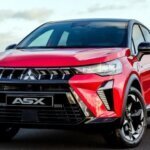 Mitsubishi ASX vs Mazda CX-3: Which Small SUV Makes More Sense?
But after the honeymoon phase, we still live with the rear-seat space, cargo room, fuel economy, ride comfort, and monthly payment.
The CX-5 is very good at charming buyers. We just need to make sure we are not buying the charm while ignoring the compromises.
20. It Might Not Be the Best Family SUV
The CX-5 can work for families, especially small families. But it may not be the best family SUV if we need maximum space, easy child-seat access, soft ride comfort, and big cargo capacity.
A Family SUV Should Make Life Easier
A family car should reduce friction. It should make errands smoother, road trips calmer, and daily routines easier.
The CX-5 brings style and driving pleasure. But families who prioritize convenience may prefer something roomier and more flexible.
21. Who Should Not Buy a Mazda CX-5?
The Mazda CX-5 may not be the right choice if we:
- Need class-leading cargo space
- Regularly carry tall rear passengers
- Want the best fuel economy
- Prefer a hybrid SUV
- Need serious towing ability
- Want a soft, cushy ride
- Plan to go off-road often
- Need maximum family practicality
- Dislike rotary-controller infotainment systems
- Want the lowest possible ownership costs
- Prefer a larger cabin feel
- Need a vehicle for bulky work gear
If several of these points sound familiar, the CX-5 may not be our best match.
22. Who Might Still Love the Mazda CX-5?
To be fair, plenty of buyers should still consider it. The CX-5 may be ideal if we want:
- A stylish compact SUV
- A premium-feeling interior
- Sportier handling than most rivals
- Strong safety credentials
- Available turbo power
- Good everyday usability
- A refined cabin
- A vehicle that feels more expensive than it is
The CX-5 is not a bad SUV. It is a specific SUV for a specific type of buyer.
23. Mazda CX-5 Alternatives Worth Considering
Before buying a Mazda CX-5, we should compare it with a few key rivals.
Toyota RAV4
The Toyota RAV4 is a strong choice for resale value, hybrid availability, fuel economy, and practical space. It may not feel as premium inside, but it is a very sensible long-term option.
Honda CR-V
The Honda CR-V is roomy, comfortable, family-friendly, and available as a hybrid. If rear-seat space and cargo room matter, it deserves a test drive.
Subaru Forester
The Subaru Forester offers excellent visibility, standard AWD in many markets, and a practical boxy shape. It may not feel as upscale, but it is very functional.
Hyundai Tucson
The Hyundai Tucson brings bold styling, lots of features, available hybrid options, and a spacious cabin. It can feel more modern than the CX-5.
Kia Sportage
The Kia Sportage offers strong value, available hybrid power, and generous interior space. Buyers wanting features for the money should compare it closely.
24. What to Check Before Buying a Mazda CX-5
If we are still interested in the CX-5, we should inspect it carefully instead of buying on emotion.
Before Signing, Test These Things
Check:
- Rear-seat space with real passengers
- Child-seat fit, if needed
- Cargo space with real luggage or gear
- Ride comfort on rough roads
- Infotainment usability
- Fuel economy expectations
- Visibility while parking
- Insurance costs
- Tire replacement costs
- Service history on used models
- Recall status by VIN
- Turbo vs non-turbo ownership costs
A smart test drive is not just about seeing if we like the car. It is about trying to make the car fail our real-life needs before money changes hands.
25. Used Mazda CX-5 Warning Signs
If buying used, we should be even more careful. A used CX-5 can be a great buy, but condition matters more than reputation.
Red Flags on a Used CX-5
Watch out for:
- Missing maintenance records
- Rough shifting
- Turbo lag or smoke on turbo models
- Warning lights
- Uneven tire wear
- Suspension noises
- Weak battery symptoms
- Infotainment glitches
- Water leaks
- Accident history
- Poor-quality repairs
- Delayed oil changes
A well-maintained CX-5 can be excellent. A neglected one can become an expensive lesson wearing shiny paint.
26. Is the Mazda CX-5 Overrated?
The Mazda CX-5 is not exactly overrated, but it can be over-recommended. Reviewers often praise its design, handling, and interior quality. Those strengths are real.
But not every buyer shops like an enthusiast.
Many people need space, comfort, fuel savings, and convenience more than steering feel. For those buyers, the CX-5’s strongest qualities may not matter as much.
The CX-5 Wins Hearts, But Rivals May Win Spreadsheets
The CX-5 is emotional. It makes us feel good. It gives us a cabin that seems a class above. It drives with polish.
But if we make a spreadsheet with cargo space, rear legroom, hybrid availability, fuel economy, and family practicality, some rivals may look stronger.
That is the heart of the decision.
27. Final Verdict: Why Not to Buy Mazda CX-5
So, why not to buy Mazda CX-5?
Because it may not be roomy enough. Because cargo space is not class-leading. Because fuel economy is only average. Because some buyers will want a hybrid. Because the ride can feel firm. Because the infotainment may not suit everyone. Because higher trims can get pricey. Because it is not ideal for towing, serious off-roading, or maximum family practicality.
But also, because the best vehicle is not the one with the most compliments. It is the one that fits our life with the least resistance.
The Mazda CX-5 is stylish, refined, safe, and enjoyable to drive. For the right buyer, it can be a wonderful SUV. But for the wrong buyer, it can become a daily reminder that beauty and practicality do not always ride in the same lane.
Before buying one, we should test the space, compare the rivals, price the trims carefully, and think honestly about what we need most.
If driving feel and premium design matter more than maximum practicality, the CX-5 still deserves a spot on the shortlist. But if we want the roomiest, most efficient, softest, or most family-focused compact SUV, we may be happier looking elsewhere.
FAQs About Why Not to Buy Mazda CX-5
1. Why should I not buy a Mazda CX-5?
You may not want to buy a Mazda CX-5 if you need maximum rear-seat space, large cargo capacity, top fuel economy, a hybrid powertrain, serious towing ability, or a very soft ride. The CX-5 is stylish and enjoyable, but it is not the most practical compact SUV in every category.
2. Is the Mazda CX-5 too small for families?
It depends on the family. Small families may find it perfectly usable, but families with rear-facing child seats, tall passengers, pets, or lots of luggage may find the rear seat and cargo area limiting compared with roomier rivals like the Honda CR-V or Toyota RAV4.
3. Is the Mazda CX-5 expensive to maintain?
The Mazda CX-5 is not usually considered extremely expensive to maintain, but costs can rise with turbo models, AWD systems, larger wheels, premium trims, and dealer service. Used buyers should always check maintenance history before purchasing.
4. Is the Mazda CX-5 good for long road trips?
The CX-5 can be good for long road trips if we value a refined cabin, supportive front seats, and enjoyable handling. However, rear passengers may want more space, and families carrying lots of luggage may prefer an SUV with a larger cargo area.
This content may interest you!
5. What is the biggest Mazda CX-5 drawback?
The biggest Mazda CX-5 drawback is probably its balance of style over maximum practicality. It feels premium and drives well, but rear-seat space, cargo room, fuel economy, and family convenience are not class-leading.
Leave a Reply