
Isuzu D-Max SX vs LS-U comparison

When comparing the Isuzu D-Max SX and LS-U, the choice often boils down to balancing utility with comfort. The SX serves as a rugged, no-frills workhorse, prioritizing raw capability and affordability for tradespeople and adventurers. In contrast, the LS-U upgrades the experience with enhanced interior features, a more refined cabin, and additional convenience technologies, making it better suited for daily driving and family use. Both share Isuzu’s renowned durability and a robust 1.9-liter or 3.0-liter turbo diesel engine, but their trim levels dictate distinct appeals. This comparison highlights key differences in equipment, pricing, and practicality to help buyers decide which variant aligns best with their lifestyle or professional needs.
- Key Differences Between the Isuzu D-Max SX and LS-U: A Detailed Comparison
- Isuzu D-Max SX vs LS-U: A Detailed Feature and Specification Comparison
- Interior Comfort and Technology Features
- Performance and Driving Dynamics
- Exterior Styling and Utility Features
- Interior Quality and Comfort Differences Between SX and LS-U Trims
- Technology and Infotainment Limitations Across Trims
- Off-Road Capability and Powertrain Differences
- Exterior and Interior Feature Differences
- Performance and Drivetrain Specifications
- Suspension and Ride Quality
- Frequently Asked Questions
- What are the key differences in engine performance between the Isuzu D-Max SX and LS-U?
- How do the interior features and comfort levels compare between the SX and LS-U trims?
- What safety features are standard on the LS-U that are not on the SX?
- Which trim offers better value for work versus lifestyle use between the SX and LS-U?
Key Differences Between the Isuzu D-Max SX and LS-U: A Detailed Comparison
The Isuzu D-Max SX and LS-U represent different points on the utility vehicle spectrum, with the SX focusing on workhorse reliability and affordability, while the LS-U adds a layer of comfort and convenience features. The SX is the entry-level model, often chosen for fleet operations and heavy-duty tasks, whereas the LS-U is the mid-range trim that bridges the gap between basic utility and family-friendly amenities. Both share the same robust chassis and powerful engine options, but diverge significantly in interior appointments, safety tech, and exterior styling.
Exterior Styling and Visual Distinctions
The most obvious difference between the SX and LS-U lies in their exterior design. The SX features black steel wheels, dark front grille inserts, and black door handles and mirrors, giving it a utilitarian appearance. In contrast, the LS-U upgrades to stylish alloy wheels, chrome-finished front grille and door handles, body-color mirrors, and often includes fog lamps and side steps for a more premium look. The LS-U also typically adds a hard plastic tray liner or sports bar in the tub, while the SX comes with a more basic, unpainted tub.
Interior Comfort and Technology Features
Inside the cabin, the LS-U significantly outpaces the SX in terms of comfort and technology. The SX comes with manually adjustable cloth seats, a basic steering wheel without audio controls, and a simpler radio system. The LS-U introduces a larger touchscreen infotainment system with Apple CarPlay and Android Auto, steering wheel-mounted controls, a leather-wrapped steering wheel and gear shifter, and upgraded upholstery. The LS-U also adds cruise control, rear parking sensors, and improved air conditioning controls, making it significantly more suited for daily driving comfort.
Safety and Driver Assistance Systems
Safety specifications differ notably between these two trims. The SX offers essential safety features like dual front airbags, ABS brakes, and rear parking sensors (in some markets). The LS-U enhances protection with extra airbags (typically side and curtain), a reversing camera, and often includes advanced driver-assistance systems (ADAS) such as autonomous emergency braking, lane departure warning, and adaptive cruise control. This makes the LS-U a far safer option for families and those clocking long highway kilometers.
| Feature | Isuzu D-Max SX | Isuzu D-Max LS-U |
|---|---|---|
| Wheels | Black Steel Wheels | Alloy Wheels |
| Grille & Mirrors | Black / Dark Trim | Chrome / Body-Color |
| Infotainment Screen | Basic Radio | Large Touchscreen |
| Safety Tech | Dual Airbags + ABS | Side/Curtain Airbags + ADAS |
| Steering Wheel | Non-Leather / No Controls | Leather-Wrapped + Controls |
Isuzu D-Max SX vs LS-U: A Detailed Feature and Specification Comparison
What distinguishes the Isuzu D-Max SX from the LS-U in terms of features and performance?
The Isuzu D-Max SX and LS-U are two distinct trim levels of the same pickup truck, designed to cater to different customer needs. The SX is primarily a workhorse model, focusing on practicality and affordability, while the LS-U adds comfort, technology, and aesthetic enhancements for a more lifestyle-oriented experience. In terms of performance, both models share the same engine options, with the LS-U often offering additional features like improved suspension tuning or drive modes that refine the driving experience. Key differences include the LS-U's upgraded interior materials, enhanced infotainment system, and extra safety features, whereas the SX keeps things simple with a focus on durability and cost-effectiveness.
Interior Comfort and Technology Features
Differences in cabin materials and infotainment systems
The SX features a utilitarian cabin with hard-wearing cloth seats, a basic audio system, and a simpler dashboard layout, prioritizing function over form. In contrast, the LS-U upgrades to higher-quality cloth or optional leather upholstery, a larger touchscreen with Apple CarPlay and Android Auto, and additional connectivity ports. The LS-U also adds a digital instrument cluster in some variants, enhancing driver information accessibility.
- SX includes a standard 7-inch touchscreen, while LS-U offers a 9-inch display with satellite navigation.
- SX has manual air conditioning, whereas LS-U provides dual-zone automatic climate control.
- SX lacks steering wheel audio controls, but LS-U includes them along with Bluetooth hands-free.
Performance and Driving Dynamics
Mechanical upgrades and drive modes
Both trims typically use the same 1.9-liter or 3.0-liter turbo-diesel engines, but the LS-U often receives a rear differential lock for improved off-road traction, along with a Terrain Command system that offers selectable drive modes like sand, mud, and snow. The SX has a more basic suspension setup tuned for load carrying, while the LS-U may feature a rear coil-spring suspension for better ride comfort on paved roads.
- SX has a standard rear limited-slip differential, while LS-U includes an electronic locking differential.
- SX lacks drive mode selectors, but LS-U offers up to four terrain-specific modes.
- SX uses leaf-spring rear suspension, whereas LS-U may employ coil springs for smoother driving.
Exterior Styling and Utility Features
Visual and functional differences in design
The SX has a no-frills exterior with unpainted bumpers, black side mirrors, and steel wheels, keeping costs low for commercial use. The LS-U upgrades to body-colored bumpers, alloy wheels, roof rails, and a chrome grille, giving it a more premium look. Functionally, the LS-U often includes side steps for easier cabin access and a bed liner as standard, whereas the SX focuses on basic bed protection options.
This content may interest you!
- SX uses 16-inch steel wheels, while LS-U features 17- or 18-inch alloy wheels.
- SX has manual-folding mirrors, but LS-U provides power-folding and heated mirrors.
- SX comes without fog lights, while LS-U includes front fog lights and LED daytime running lamps.
What are the key drawbacks of the Isuzu D-Max when comparing the SX and LS-U trims?
Interior Quality and Comfort Differences Between SX and LS-U Trims
Material Quality and Ergonomics
The SX trim of the Isuzu D-Max prioritizes affordability with hard plastics and simpler seat fabrics, whereas the LS-U introduces softer-touch materials and leatherette accents. However, both trims share a basic dashboard layout that lags behind competitors like the Ford Ranger in modern design. The LS-U gains dual-zone climate control and a leather-wrapped steering wheel, but the SX lacks these features, making long journeys less comfortable in the base model. The seating in LS-U offers better lumbar support, yet the cabin still feels utilitarian compared to rivals.
- The SX uses cloth seats with minimal adjustability, while the LS-U adds power lumbar support and premium fabric.
- Hard plastic door panels and center console appear in both trims, but the LS-U has soft-touch surfaces on the armrests.
- Noisy road insulation is a drawback in both trims, though the LS-U has slightly better acoustic glass.
Technology and Infotainment Limitations Across Trims
Screen Size and Connectivity Features
The SX trim comes with a basic 7-inch infotainment system lacking satellite navigation, while the LS-U upgrades to a 9-inch unit with Apple CarPlay and Android Auto. Both systems can be slow to respond compared to systems in the Toyota HiLux or Mazda BT-50. The LS-U includes wireless smartphone charging and a 6-speaker audio system, but the SX only offers 4 speakers and no charging pad. Despite these upgrades, the LS-U still lacks over-the-air updates and advanced voice control, which are growing industry standards.
- The SX screen size of 7 inches is smaller and less responsive than the 9-inch LS-U unit, but both lack high resolution.
- Apple CarPlay and Android Auto are standard on LS-U but are only wired on the SX, requiring physical cable connections.
- Audio quality remains average in both trims, with the LS-U adding only two extra speakers and no subwoofer option.
Off-Road Capability and Powertrain Differences
Suspension and Terrain Response Systems
Both the SX and LS-U trims use the same 1.9-liter turbo-diesel engine (150 hp and 350 Nm of torque) and 6-speed automatic or manual transmissions. However, the LS-U adds a rear differential lock and hill descent control, which are missing on the SX, hindering the base model in challenging off-road conditions. The LS-U also has a slightly higher ground clearance due to its larger wheels, but both trims suffer from a stiff rear leaf-spring suspension that compromises ride comfort on rough trails. The SX lacks the terrain select system found in some competitors, limiting its adaptability in mud or sand.
- The SX does not include a rear differential lock, reducing traction in deep ruts or slippery slopes compared to the LS-U.
- Hill descent control is absent on the SX, making steep descents more challenging to manage without driver skill aids.
- Both trims use the same powertrain, but the LS-U has larger tires (18-inch vs. 17-inch on SX) for slightly better ground clearance.
What are the key differences between the Isuzu D-Max SX and the top-tier LS-U in terms of features and performance?
Exterior and Interior Feature Differences
Distinguishing Design and Comfort Elements Between the D-Max SX and LS-U
The most visible differences between the Isuzu D-Max SX and the LS-U lie in their exterior styling and interior comfort features. The SX is positioned as a work-oriented model, while the LS-U adds significant comfort and convenience upgrades. These changes affect both daily usability and perceived vehicle quality.
- The SX features steel wheels with hubcaps and halogen headlights, while the LS-U upgrades to 17-inch or 18-inch alloy wheels and standard fog lights with LED daytime running lights.
- Inside, the SX has a basic cloth trim, manually adjustable seats, and a 7-inch infotainment screen, whereas the LS-U offers upgraded fabric upholstery, power-adjustable driver seat, and a larger 9-inch touchscreen with satellite navigation and wireless Apple CarPlay.
- The LS-U includes auto-dimming rearview mirror, rain-sensing wipers, and a leather-wrapped steering wheel with audio controls, none of which are available on the SX trim.
Performance and Drivetrain Specifications
Engine Output, Towing Capacity, and Drive Modes Comparison
Both the Isuzu D-Max SX and LS-U share the same 3.0-liter four-cylinder turbo-diesel engine producing 140 kW and 450 Nm of torque, but their drivetrain configurations and performance features differ. The LS-U also includes selectable drive modes that enhance off-road and utility performance.
- The SX is available with either a six-speed manual or six-speed automatic transmission, while the LS-U comes exclusively with the six-speed automatic as standard.
- The LS-U features a Terrain Command selectable four-wheel drive system with modes for Eco, Power, and Snow, plus a rear differential lock for improved traction, which is not offered on the SX.
- Towing capacity is identical at 3,500 kg braked for both models, but the LS-U includes a larger fuel tank capacity of 76 liters compared to the SX’s 70-liter tank, extending range on long trips.
Suspension and Ride Quality
Differences in Load Handling and Comfort Between Work and Luxury Trims
The suspension tuning and rear leaf spring configuration differ between the Isuzu D-Max SX and LS-U, impacting ride comfort under load and on uneven surfaces. The LS-U is designed to offer a more balanced ride for daily driving without sacrificing load-carrying ability.
- The SX uses a heavier-duty rear leaf spring setup optimized for maximum payload capacity, resulting in a stiffer ride when unloaded, while the LS-U has a more compliant spring rate for improved comfort.
- The LS-U adds shock absorbers with different damping characteristics to reduce body roll and improve stability on paved roads, whereas the SX prioritizes durability over ride smoothness.
- Both models share the same front double-wishbone suspension, but the LS-U includes optional specific off-road dampers for better control on rough terrain, a feature not available on the SX.
Frequently Asked Questions
What are the key differences in engine performance between the Isuzu D-Max SX and LS-U?
Both the SX and LS-U share the same 1.9-liter or 3.0-liter turbo-diesel engine options, delivering identical horsepower and torque figures. The LS-U may offer a slightly refined driving experience due to additional sound deadening, but the mechanical performance is identical. The primary difference lies in the transmission availability, where the LS-U might have more standard automatic options compared to the SX.
How do the interior features and comfort levels compare between the SX and LS-U trims?
The LS-U significantly upgrades interior comfort over the SX. It includes a larger, more advanced infotainment screen with Apple CarPlay and Android Auto, leather-wrapped steering wheel, and better seat fabric. The SX is more utilitarian with basic cloth seats and a simpler audio system. The LS-U also adds automatic climate control and additional storage solutions, making it more suitable for daily driving comfort.
What safety features are standard on the LS-U that are not on the SX?
The LS-U adds key safety features missing from the SX. These include side curtain airbags, a reverse camera, and rear parking sensors. While the SX may have basic dual front airbags and stability control, the LS-U expands protection with additional airbag coverage and parking aids. The LS-U also often includes advanced driver assistance systems like lane departure warning and autonomous emergency braking depending on the model year.
This content may interest you!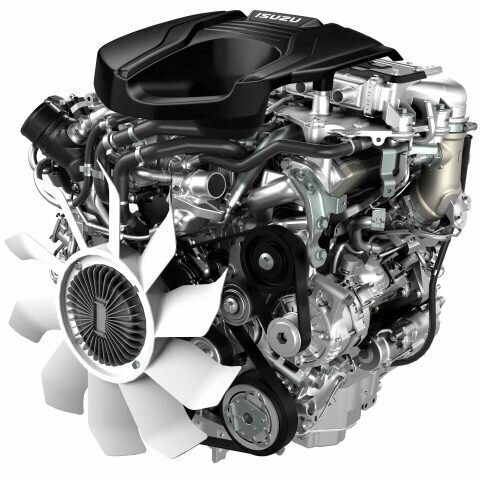 Which Isuzu D-Max engine is the most reliable
Which trim offers better value for work versus lifestyle use between the SX and LS-U?
The SX offers better value for commercial or heavy work use due to its lower price, durable vinyl flooring, and simpler features that are easier to clean. The LS-U provides superior value for lifestyle or family use with its enhanced comfort, technology, and safety features. The choice depends on priority: the SX saves costs for work applications, while the LS-U justifies its higher price for daily driving comfort and resale value.
Leave a Reply