
Ford Ranger vs Toyota HiLux Reliability Australia: Which Ute Lasts Longer?

When it comes to choosing a dependable ute in Australia, the Ford Ranger vs Toyota HiLux reliability debate is one of the biggest questions facing buyers. Both vehicles have earned loyal followings among tradies, farmers, families, and off-road enthusiasts. However, which one is actually more reliable over the long term?
The Toyota HiLux has built its reputation around durability, proven diesel engines, and the ability to handle demanding Australian conditions. Meanwhile, the Ford Ranger offers impressive towing performance, modern technology, and a more refined driving experience.
But reliability involves much more than brand reputation.
We need to consider engine durability, automatic transmission problems, servicing costs, diesel particulate filters, electrical faults, and how well these vehicles perform after years of heavy use.
In this comprehensive comparison, we'll examine Ford Ranger vs Toyota HiLux reliability in Australia, including the latest 2026 models and popular second-hand generations, to help determine which ute offers the better long-term ownership experience.
- Ford Ranger vs Toyota HiLux Reliability: Quick Verdict
- 1. Toyota HiLux Reliability in Australia
- 2. Ford Ranger Reliability in Australia
- 3. Ford Ranger vs Toyota HiLux Engine Reliability
- 4. Ford Ranger vs Toyota HiLux Transmission Reliability
- 5. Common Ford Ranger Problems in Australia
- 6. Common Toyota HiLux Problems in Australia
- 7. Ford Ranger vs Toyota HiLux Reliability After 200,000 km
- 8. Ford Ranger vs Toyota HiLux Servicing Costs Australia
- 9. Ford Ranger vs Toyota HiLux Reliability for Towing
- 10. Ford Ranger vs Toyota HiLux Reliability Off-Road
- 11. Ford Ranger vs Toyota HiLux Reliability in Australian Heat
- 12. Ford Ranger vs Toyota HiLux Reliability for Farm Work
- 13. Ford Ranger vs Toyota HiLux Reliability for City Driving
- 14. Ford Ranger vs Toyota HiLux Reliability and Warranty
- 15. Ford Ranger vs Toyota HiLux Resale Value and Reliability
- 16. Are Older Ford Rangers More Reliable Than Newer Models?
- 17. Are Older Toyota HiLux Models More Reliable Than Newer Models?
- 18. Ford Ranger vs Toyota HiLux Reliability: Buying Used
- 19. Ford Ranger vs Toyota HiLux Reliability: Which Is Better for 10 Years?
- 20. Ford Ranger vs Toyota HiLux Reliability: Which One Should You Buy?
- Frequently Asked Questions
- 1. Is the Ford Ranger more reliable than the Toyota HiLux in Australia?
- 2. What lasts longer, a Ford Ranger or Toyota HiLux?
- 3. What are the most common Ford Ranger reliability problems?
- 4. What are the biggest Toyota HiLux reliability problems?
- 5. Is the Ford Ranger or Toyota HiLux better for long-distance driving in Australia?
- Final Verdict: Ford Ranger vs Toyota HiLux Reliability Australia
Ford Ranger vs Toyota HiLux Reliability: Quick Verdict
The Toyota HiLux has the stronger established reputation for long-term mechanical durability, while the Ford Ranger offers a compelling combination of performance, technology, and everyday usability.
However, neither vehicle is completely free from reliability problems.
The HiLux has experienced diesel particulate filter issues, particularly in certain vehicles produced during the previous generation. The Ranger has also faced complaints involving automatic transmissions, diesel engine components, and electronic systems.
Both manufacturers have introduced mechanical and technological updates over the years.
Importantly, the 2026 HiLux retains its established 2.8-litre turbo-diesel engine, whereas the updated 2026.5 Ranger replaces the previous 2.0-litre Bi-Turbo diesel with a revised single-turbo engine.
This makes comparisons between older and newer models particularly important.
Ford Ranger vs Toyota HiLux Reliability Comparison Table
| Reliability factor | Ford Ranger | Toyota HiLux |
|---|---|---|
| Established durability reputation | Strong | Very strong |
| Long-term diesel engine track record | Varies by engine | Strong, with known exceptions |
| Automatic transmission complexity | 10-speed automatic on current diesels | 6-speed manual or automatic |
| Historical DPF concerns | Present on some diesels | Significant on affected older diesels |
| Electrical system complexity | Generally higher | Generally more conservative |
| Current diesel service intervals | 12 months/15,000 km | 6 months/10,000 km |
| Parts and repair support | Extensive across Australia | Extensive across Australia |
| Long-term ownership confidence | Good with proper maintenance | Strong established reputation |
| Best-known advantage | Performance and comfort | Durability and familiarity |
These assessments are qualitative rather than statistically measured failure-rate rankings. Actual reliability depends heavily on the engine, model year, maintenance history, and operating conditions.
1. Toyota HiLux Reliability in Australia
The Toyota HiLux is widely regarded as one of Australia's most durable utility vehicles.
For decades, it has been used in construction, agriculture, mining, remote-area travel, and demanding commercial applications.
Its reputation comes partly from Toyota's emphasis on established mechanical components and practical vehicle engineering.
Why Is the Toyota HiLux Considered Reliable?
Several characteristics contribute to the HiLux's reputation.
First, Toyota has extensive experience developing diesel engines and four-wheel-drive systems for demanding environments.
Second, the HiLux has traditionally prioritised robustness and predictable operation over maximum power or technological novelty.
Third, Australian mechanics have considerable experience servicing and repairing these vehicles.
We also have to recognise that the HiLux benefits from a large local support network, making replacement parts and specialist knowledge relatively accessible.
However, a strong reputation does not guarantee that every HiLux will be reliable.
Toyota HiLux 2.8-Litre Diesel Engine Reliability
The 2.8-litre 1GD-FTV turbo-diesel is central to the modern HiLux's durability reputation.
In current Australian diesel models, it produces up to 150kW and 500Nm when paired with the automatic transmission.
The engine has been used across several Toyota vehicles and has accumulated substantial real-world experience.
Its main strengths include strong low-speed torque, established servicing procedures, and suitability for heavy-duty applications.
Nevertheless, owners should remain aware of issues that can affect modern diesel engines, including exhaust gas recirculation components, emissions equipment, and fuel injection systems.
The engine's long production history gives buyers a useful body of ownership experience, but it does not eliminate the possibility of expensive repairs.
Is the 2026 Toyota HiLux Reliable?
The 2026 Toyota HiLux introduced revised styling, new cabin technology, electric power steering, and additional safety features.
However, it continues using the established 2.8-litre diesel engine and a familiar ladder-frame architecture.
This continuity is encouraging for buyers who prefer proven mechanical components.
Some automatic versions also use a 48-volt mild-hybrid system, adding another component to consider when evaluating long-term ownership.
Because this generation is relatively new, we cannot yet claim that it has demonstrated reliability over 200,000 or 300,000 kilometres.
Its established engine is a positive sign, but its newer electrical and electronic systems still need more years of real-world use.
2. Ford Ranger Reliability in Australia
The Ford Ranger has become one of Australia's most popular utes, appealing to drivers who want impressive work capabilities without sacrificing comfort.
The Ranger has also benefited from extensive Australian engineering and development.
Its strongest qualities include powerful diesel options, stable highway manners, practical towing features, and a modern interior.
From a reliability perspective, however, we need to examine different engines and generations separately.
Is the Ford Ranger a Reliable Ute?
Yes, a properly maintained Ford Ranger can be a dependable vehicle capable of covering substantial distances.
However, its reliability record is mixed across different engines, transmissions, and production years.
Earlier PX-generation models developed known mechanical problems, while newer Rangers introduced more sophisticated electronic and drivetrain systems.
This does not automatically make the Ranger less reliable than the HiLux.
It means that identifying the exact model and powertrain is essential before purchasing one.
Ford Ranger 2.0-Litre Bi-Turbo Reliability
The 2.0-litre Bi-Turbo diesel became popular because it delivered strong performance from a relatively small engine.
Paired with a 10-speed automatic transmission, it offered flexible acceleration and good everyday driving characteristics.
However, the engine and associated drivetrain have generated concerns among some owners and repair specialists.
Areas worth investigating include timing-drive components, cooling-system condition, emissions equipment, and transmission behaviour.
It is important not to confuse routine maintenance requirements with confirmed widespread manufacturing defects.
A documented problem on one vehicle does not establish that every engine will experience it.
Ford discontinued the Bi-Turbo diesel from the revised 2026.5 Australian Ranger lineup.
Used buyers should therefore distinguish between the earlier Bi-Turbo and the newer single-turbo engine.
Ford Ranger 3.0-Litre V6 Diesel Reliability
The 3.0-litre V6 turbo-diesel is particularly attractive for drivers who regularly tow caravans, boats, or work trailers.
With 184kW and 600Nm in mainstream Ranger applications, it provides stronger performance than the standard HiLux diesel.
This content may interest you!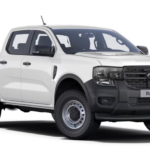 10 Trucks Similar to the Ford Ranger in Australia (2026 Guide)
The V6 can deliver relaxed highway driving, especially when carrying loads or climbing hills.
Nevertheless, its additional cylinders and more sophisticated drivetrain can make certain repairs expensive.
We should not assume that the V6 is inherently unreliable simply because it is mechanically more complex.
Instead, buyers should examine maintenance records, cooling-system performance, fluid leaks, fault codes, and how the vehicle has been used.
For a relatively recent powertrain, extremely high-mileage ownership evidence is also less extensive than that available for older established engines.
3. Ford Ranger vs Toyota HiLux Engine Reliability
Engine reliability is one of the most important considerations when purchasing a ute for long-term ownership.
Both vehicles use modern diesel technology, meaning neither is as mechanically simple as older-generation diesel utilities.
However, there are meaningful differences.
Toyota HiLux Engine Advantages
The HiLux's familiar 2.8-litre diesel benefits from extensive experience in Australian operating conditions.
Its established design makes it easier for independent workshops to understand common maintenance requirements.
The standard six-speed transmission options also provide a relatively conventional drivetrain combination.
For buyers prioritising predictable mechanical ownership, these factors are appealing.
Ford Ranger Engine Advantages
The Ranger provides a broader selection of powertrain characteristics.
The V6 diesel is particularly attractive when power, torque, and towing performance matter.
The updated 2026.5 single-turbo diesel also incorporates revisions intended to improve durability.
However, those revisions should be evaluated over time rather than treated as proof that the newest engine will outlast its competitors.
Which Engine Is More Reliable?
For buyers interested primarily in established long-term reliability, we would lean towards the Toyota HiLux 2.8-litre diesel.
That recommendation is based on its extensive service history and familiar engineering, rather than a verified Australian failure-rate study showing that it beats every Ranger engine.
A well-maintained Ranger can still be a better purchase than a poorly maintained HiLux.
4. Ford Ranger vs Toyota HiLux Transmission Reliability
Automatic transmission reliability deserves particular attention because major gearbox repairs can be expensive.
The two vehicles use different approaches.
Ford Ranger 10-Speed Automatic Transmission
The modern diesel Ranger uses a 10-speed automatic transmission.
This gearbox is designed to provide a wide range of ratios, smooth highway driving, and strong engine performance.
However, some Ranger owners have reported harsh gear changes, hesitation, unusual shifting behaviour, and transmission-related faults.
Potential causes can range from software calibration issues to problems involving hydraulic or internal transmission components.
We should not assume that every unusual shift indicates imminent gearbox failure.
Nevertheless, persistent harsh shifting, warning messages, or delayed engagement require investigation before purchase.
Toyota HiLux Six-Speed Automatic Transmission
The automatic HiLux uses a six-speed gearbox.
Its design is less complicated in terms of available ratios, and it has accumulated extensive real-world operating experience.
Although some drivers may find it less refined than the Ranger's 10-speed, its familiar operation appeals to buyers concerned about long-term maintenance.
Like any automatic transmission, it can develop problems from excessive heat, contamination, fluid deterioration, or prolonged heavy-duty use.
Transmission Reliability Winner
The Toyota HiLux has an advantage in drivetrain familiarity and relative simplicity.
That does not establish a precise difference in transmission failure rates, but it offers reassurance for buyers who prefer established mechanical systems.
5. Common Ford Ranger Problems in Australia
Before purchasing a used Ranger, we should understand the problems associated with its particular generation.
EGR System Problems
Exhaust gas recirculation systems help reduce diesel emissions.
However, EGR components can suffer from carbon buildup, cooling-system problems, or mechanical failure.
Certain older Ranger diesel engines have been associated with EGR cooler concerns.
Symptoms may include coolant loss, overheating, warning lights, and reduced performance.
Automatic Gearbox Problems
Some Rangers equipped with 10-speed automatic transmissions have experienced shifting complaints.
A thorough test drive should include cold starts, low-speed driving, highway acceleration, and reversing.
An independent inspection can help distinguish minor operating characteristics from developing faults.
DPF Problems
Diesel particulate filters can become blocked when the vehicle repeatedly undertakes short journeys without sufficient opportunity for regeneration.
This is particularly relevant for utes used mainly around Australian cities.
Electrical and Infotainment Issues
Modern Rangers contain numerous electronic modules, sensors, and driver-assistance systems.
Battery voltage problems, software faults, and malfunctioning sensors may lead to warning messages or intermittent electronic behaviour.
These issues do not necessarily involve the engine, but they can increase inconvenience and ownership costs.
6. Common Toyota HiLux Problems in Australia
Despite its excellent reputation, the HiLux has experienced several notable reliability concerns.
Diesel Particulate Filter Problems
One of the most significant historical issues involved diesel particulate filters fitted to certain HiLux, Prado, and Fortuner vehicles.
The issue became the subject of major Australian legal proceedings involving vehicles equipped with affected diesel engines.
Problems included excessive exhaust smoke, poor regeneration performance, and other emissions-system concerns.
The relevant class-action vehicle population includes certain vehicles acquired between October 2015 and April 2020.
We should not assume that every HiLux produced during those years has the same present-day condition or that every later model suffers from the original defect.
This content may interest you!Ford Ranger as a Family Car in Australia: Is It a Good Choice?For used buyers, checking repair history and any applicable manufacturer remedies is particularly important.
EGR and Carbon Buildup
Like the Ranger, the HiLux can experience EGR-related issues.
Carbon accumulation and emissions-system faults may affect performance and efficiency.
Regular servicing and appropriate operating conditions help minimise avoidable problems.
Fuel System Problems
Modern common-rail diesel fuel systems operate at extremely high pressures.
Contaminated fuel, neglected filters, or component wear can lead to expensive repairs.
This is especially important for vehicles used in remote Australian locations.
Suspension and Steering Wear
HiLux models operating on rough roads may experience suspension bush, shock absorber, and steering-component wear.
However, wear caused by demanding operating conditions should not automatically be classified as a manufacturing defect.
7. Ford Ranger vs Toyota HiLux Reliability After 200,000 km
For many Australian ute buyers, 200,000 kilometres is not particularly unusual.
Tradies, regional workers, and frequent travellers can accumulate substantial mileage over a relatively short period.
So, which vehicle is better equipped to handle that distance?
Toyota HiLux at 200,000 km
A well-maintained HiLux can remain useful beyond 200,000 kilometres.
However, reaching this milestone successfully depends on timely servicing, responsible loading, good fuel quality, and prompt repairs.
At higher mileage, we should inspect the turbocharger, fuel injectors, cooling system, transmission, suspension, and emissions equipment.
A complete maintenance history is more valuable than relying on Toyota's reputation alone.
Ford Ranger at 200,000 km
A properly maintained Ranger can also exceed 200,000 kilometres.
However, buyers should pay particular attention to the exact engine, transmission condition, and any significant previous repairs.
Vehicles used for regular towing or heavy commercial work deserve closer inspection.
The presence of documented preventive maintenance is especially reassuring.
Which Ute Is Better for High Mileage?
For long-term mechanical familiarity, the HiLux remains our preferred option.
However, it would be misleading to guarantee that one vehicle will last longer than another without considering the condition and usage of each example.
8. Ford Ranger vs Toyota HiLux Servicing Costs Australia
Reliability and servicing costs are closely connected, but they are not identical.
A vehicle requiring more frequent servicing is not necessarily less reliable.
Likewise, a vehicle with inexpensive scheduled maintenance may still experience expensive unexpected repairs.
Ford Ranger Servicing Intervals
Current Australian Ford Ranger models generally require scheduled servicing every 12 months or 15,000 kilometres, whichever comes first.
For eligible MY2026 vehicles, Ford offers a five-year service pricing program covering scheduled general services, subject to conditions.
The standard published maximum for eligible Ranger general services is $399 per visit, with additional maintenance items potentially costing extra.
Long-distance drivers should follow the manufacturer's requirements for their specific operating conditions.
Toyota HiLux Servicing Intervals
The 2026 Toyota HiLux diesel requires scheduled maintenance every six months or 10,000 kilometres, whichever comes first.
This means owners may need more frequent workshop visits than Ranger drivers.
The HiLux also has capped-price servicing arrangements, but exact prices and coverage depend on the relevant model and servicing program.
Frequent servicing can increase the cost of ownership, especially for commercial operators who need to minimise downtime.
Which Ute Costs Less to Service?
For routine servicing frequency, the Ford Ranger has an advantage.
The HiLux requires more frequent scheduled maintenance, although we should also consider the price of each visit and the cost of additional service items.
When calculating total ownership costs, we recommend including tyres, brakes, fluids, suspension repairs, insurance, fuel consumption, and unexpected mechanical work.
9. Ford Ranger vs Toyota HiLux Reliability for Towing
Both vehicles are popular choices for Australians who tow caravans, trailers, and boats.
Many 4x4 configurations offer a maximum braked towing rating of 3,500kg, although exact capacities vary by model and specification.
However, towing at the maximum rated capacity introduces additional mechanical demands.
Ford Ranger Towing Reliability
The Ranger V6 diesel offers substantial torque, making it particularly appealing for towing.
Its stronger output can provide a more relaxed driving experience when travelling through mountainous regions or overtaking.
However, regular heavy towing places stress on the transmission, cooling system, brakes, and suspension.
Owners should also consider gross combination mass limits and actual payload capacity.
Toyota HiLux Towing Reliability
The HiLux 2.8-litre diesel delivers strong low-speed torque and has substantial experience in commercial and recreational towing applications.
Its established drivetrain is appealing for drivers who frequently travel long distances.
Nevertheless, towing heavy loads can still accelerate component wear.
Which Is More Reliable for Towing?
We would favour the HiLux for buyers focused on a familiar long-term diesel drivetrain.
However, the Ranger V6 may be the better choice for drivers who prioritise effortless performance and towing refinement.
Neither vehicle should be overloaded, and both need appropriate servicing when regularly towing heavy loads.
10. Ford Ranger vs Toyota HiLux Reliability Off-Road
Australia presents demanding environments, including rocky tracks, corrugated roads, sand, mud, and remote desert conditions.
Both the Ranger and HiLux are capable off-road vehicles.
However, off-road reliability depends on more than engine durability.
This content may interest you!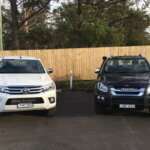 Isuzu D-Max vs Toyota Hilux reliability Australia
Toyota HiLux Off-Road Durability
The HiLux has a long history in remote Australian environments.
Its reputation for toughness and widespread mechanical familiarity appeals to drivers who travel far from major population centres.
The established drivetrain also provides confidence when planning extended trips.
However, modern HiLux models still incorporate sophisticated electronics and emissions systems.
They are not immune to sensor failures or mechanical problems.
Ford Ranger Off-Road Durability
The Ranger offers impressive off-road technology, particularly in higher-specification models.
Selectable driving modes, traction-control systems, and available differential-locking equipment can make difficult terrain easier to manage.
However, additional technology introduces components that may require specialist diagnosis if something goes wrong.
Our Off-Road Reliability Verdict
For remote touring where mechanical familiarity and established support are major priorities, we would slightly favour the Toyota HiLux.
For drivers seeking advanced off-road assistance and a refined driving experience, the Ranger is highly competitive.
11. Ford Ranger vs Toyota HiLux Reliability in Australian Heat
Extreme heat can affect engine cooling systems, batteries, tyres, transmissions, and air-conditioning performance.
This is especially relevant in regions such as Western Australia, Queensland, and the Northern Territory.
Both vehicles are designed for demanding operating conditions.
However, owners should pay particular attention to cooling-system maintenance.
A partially blocked radiator, deteriorating coolant hose, or malfunctioning thermostat can become a serious issue during sustained driving in hot weather.
Regularly checking coolant condition, radiator cleanliness, and transmission performance is essential.
Drivers who install bull bars, driving lights, or aftermarket accessories should also ensure that airflow and electrical installations are not compromised.
The condition of the individual vehicle matters more than assuming either manufacturer is automatically better in extreme heat.
12. Ford Ranger vs Toyota HiLux Reliability for Farm Work
Farm vehicles often operate under difficult conditions.
Dust, mud, frequent stop-start driving, heavy loads, and low-speed operation can accelerate wear.
Why Farmers Often Choose the HiLux
The HiLux has an established agricultural reputation.
Its familiar diesel engines, available work-focused configurations, and extensive service network make it a practical choice.
Some buyers also prefer its relatively conventional drivetrain arrangements.
Why the Ranger Is a Strong Alternative
The Ranger offers impressive torque, comfortable seating, and practical work-focused models.
Its driving refinement may be particularly beneficial for operators who regularly travel between farms, towns, and highways.
Which Is the Better Farm Ute?
For buyers focused heavily on traditional durability and mechanical familiarity, our preference is the HiLux.
However, the Ranger can be an excellent working vehicle when properly configured and maintained.
13. Ford Ranger vs Toyota HiLux Reliability for City Driving
Many modern utes spend most of their lives in urban environments.
They might look ready for the Australian outback, but their daily routine involves school drop-offs, shopping centres, and short commutes.
For diesel-powered vehicles, this can introduce specific concerns.
Repeated short trips may prevent the engine and exhaust system from reaching suitable operating temperatures for effective DPF regeneration.
Consequently, neither the Ranger nor the HiLux diesel is automatically ideal for constant short-distance driving.
We recommend considering annual mileage, journey length, and manufacturer guidance before choosing a diesel ute.
Petrol or hybrid alternatives may suit some predominantly urban users better.
14. Ford Ranger vs Toyota HiLux Reliability and Warranty
Warranty coverage is particularly important when purchasing a new ute.
Ford Ranger Warranty Australia
Ford offers a standard five-year, unlimited-kilometre new-vehicle warranty.
For eligible vehicles whose warranty commenced on or after 1 September 2026, Ford introduced an extension to seven years when the required servicing conditions are met.
The extended coverage requires scheduled servicing through authorised Ford dealers, with applicable terms and exclusions.
Toyota HiLux Warranty Australia
Toyota also offers a standard five-year new-vehicle warranty.
For non-commercial use, unlimited-kilometre coverage generally applies, while commercial applications may have mileage limitations.
Eligible engine and driveline components may receive coverage for up to seven years when the vehicle is serviced in accordance with Toyota's qualifying conditions.
Which Warranty Is Better?
Both brands offer competitive warranty arrangements.
Ford's newer extended warranty program is particularly relevant for buyers receiving vehicles after the applicable commencement date.
Toyota's additional engine and driveline protection is also valuable.
Because eligibility differs, we recommend checking the actual warranty documents for the intended vehicle rather than comparing headline durations alone.
15. Ford Ranger vs Toyota HiLux Resale Value and Reliability
Reliability reputation can influence resale value.
Australian buyers often associate the Toyota HiLux with durability, which can support demand for well-maintained second-hand examples.
The Ford Ranger also benefits from strong market recognition and considerable popularity.
However, resale value depends on numerous factors beyond reliability.
Age, kilometres, trim level, market conditions, accident history, modifications, and maintenance records all influence the price buyers are willing to pay.
A vehicle with documented servicing and a clean inspection can attract greater confidence than one with an incomplete history.
We should also remember that a strong resale value does not automatically mean lower overall ownership costs.
This content may interest you!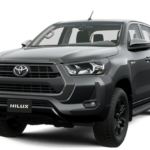 Are Toyota Hilux Reliable? Reliability, Problems and Lifespan Explained
A higher initial purchase price may offset some of the financial benefits of selling the vehicle later.
16. Are Older Ford Rangers More Reliable Than Newer Models?
Older Rangers often have fewer electronic features than the latest generation.
That can make certain systems easier to diagnose and repair.
However, older vehicles also experience natural wear and ageing.
Common concerns with higher-mileage examples include cooling-system deterioration, transmission wear, suspension damage, and previous owner neglect.
The 3.2-litre five-cylinder diesel remains popular among some used-ute buyers, but it should not be regarded as trouble-free.
Older vehicles may also have endured years of demanding commercial use.
Therefore, we cannot simply conclude that older Rangers are more reliable because they contain less technology.
The mechanical condition and service history remain the deciding factors.
17. Are Older Toyota HiLux Models More Reliable Than Newer Models?
Older HiLux generations are frequently praised for durability and relatively straightforward engineering.
Certain earlier diesel engines have accumulated substantial high-mileage experience.
However, age introduces problems involving corrosion, seals, cooling systems, suspension, and worn drivetrain components.
Many older HiLux vehicles have also experienced heavy work, off-road use, or significant aftermarket modifications.
Meanwhile, newer models benefit from improved safety, efficiency, comfort, and engine performance.
The best used HiLux is not necessarily the oldest or simplest one.
We would prioritise a well-maintained example with a documented history, regardless of generation.
18. Ford Ranger vs Toyota HiLux Reliability: Buying Used
Buying a second-hand ute requires more caution than simply choosing the vehicle with the stronger reputation.
A professionally inspected Ranger may be a safer purchase than a neglected HiLux, and vice versa.
What Should We Check Before Buying?
- Service history: Confirm regular oil changes, filter replacements, and major scheduled maintenance.
- Transmission: Check for hesitation, harsh shifting, slipping, and unusual noises.
- Cooling system: Look for coolant leaks, overheating evidence, and deteriorated components.
- DPF and EGR: Investigate warning lights, repair records, and repeated regeneration problems.
- Engine condition: Check for excessive smoke, abnormal noises, and fluid contamination.
- Chassis and suspension: Look for accident repairs, corrosion, cracks, and heavy off-road damage.
- Towing history: Assess whether the vehicle has regularly carried heavy loads.
- Electrical systems: Test cameras, screens, sensors, switches, and driver-assistance features.
- Recalls: Check the VIN against Australian recall records and confirm that required work has been completed.
- Independent inspection: Arrange a qualified mechanical inspection before committing to the purchase.
This process can substantially reduce the risk of inheriting expensive problems.
19. Ford Ranger vs Toyota HiLux Reliability: Which Is Better for 10 Years?
If we intend to keep a ute for ten years, long-term repair costs become increasingly important.
Both vehicles can provide many years of useful service.
However, maintaining modern diesel engines requires discipline.
Routine servicing, fuel quality, cooling-system maintenance, and appropriate driving conditions matter enormously.
For ten-year ownership, the HiLux has an appealing advantage through its familiar 2.8-litre diesel and established six-speed drivetrain.
The Ranger counters with strong performance, comfort, and a competitive ownership package.
We should also consider how the vehicle will be used throughout its lifespan.
A family using a ute mainly for highway travel may have very different maintenance requirements from a construction business operating on rough worksites.
Which Would We Buy for Long-Term Ownership?
If our main objective were to minimise mechanical uncertainty while keeping a diesel ute for many years, we would lean towards a properly maintained Toyota HiLux.
However, we would not reject the Ford Ranger.
A Ranger with comprehensive servicing records and a healthy drivetrain remains a sensible choice, particularly for buyers who value comfort and towing performance.
20. Ford Ranger vs Toyota HiLux Reliability: Which One Should You Buy?
The ideal choice depends on your priorities.
Choose the Toyota HiLux If:
You place the greatest importance on established mechanical durability, a familiar diesel drivetrain, and a long history of use in Australian working environments.
The HiLux is particularly appealing for remote-area travel, demanding work, and long-term ownership.
Choose the Ford Ranger If:
You want greater engine performance, a more refined driving experience, modern technology, and longer standard servicing intervals.
The V6 diesel is particularly attractive for buyers who regularly tow heavy trailers.
Our Overall Recommendation
For a reliability-focused buyer, the Toyota HiLux is our preferred choice, particularly when the alternative is an older Ranger with uncertain maintenance history.
However, the Ranger remains highly competitive, and the newest powertrain revisions deserve evaluation as longer-term reliability data becomes available.
Neither badge is a substitute for proper maintenance.
Frequently Asked Questions
1. Is the Ford Ranger more reliable than the Toyota HiLux in Australia?
The Toyota HiLux has the stronger established reputation for long-term mechanical reliability in Australia. However, both vehicles have experienced known problems, and there is no single verified failure-rate comparison proving that every HiLux generation is more reliable than every Ranger. Maintenance history and the exact engine are extremely important.
2. What lasts longer, a Ford Ranger or Toyota HiLux?
Both vehicles can achieve high mileage when properly maintained. The HiLux is often preferred for long-term durability because of its established diesel engines and conventional drivetrain. Nevertheless, neither manufacturer guarantees a particular lifespan, and the actual condition of an individual vehicle matters more than the badge.
3. What are the most common Ford Ranger reliability problems?
Reported concerns vary by generation and engine. They can include EGR-related faults, DPF problems, cooling-system issues, automatic transmission complaints, and electrical faults. Buyers should research the specific model year and have a used vehicle independently inspected.
4. What are the biggest Toyota HiLux reliability problems?
The most significant historical issue involved defective DPF systems in certain diesel vehicles covered by Australian class-action proceedings. Other potential concerns include EGR problems, fuel-system faults, and suspension wear. Later HiLux models should not automatically be assumed to suffer from the same defects as earlier affected vehicles.
5. Is the Ford Ranger or Toyota HiLux better for long-distance driving in Australia?
The Ranger often provides a more refined highway driving experience, particularly with the powerful V6 diesel. The HiLux appeals to drivers who prioritise established mechanical durability and support for remote travel. Both can be suitable for long-distance Australian driving when maintained correctly.
Final Verdict: Ford Ranger vs Toyota HiLux Reliability Australia
After comparing engine durability, transmissions, common problems, servicing requirements, warranties, and long-term ownership considerations, the Toyota HiLux emerges as our preferred choice for buyers who prioritise established mechanical reliability.
Its familiar 2.8-litre diesel engine, extensive Australian operating history, and conventional transmission options make it an appealing long-term investment.
However, we should not overlook the Ford Ranger.
The Ranger offers excellent performance, modern safety technology, comfortable road manners, and competitive servicing arrangements.
Its updated 2026.5 diesel lineup also brings changes that may improve ownership confidence, although long-term results are still developing.
Ultimately, the most reliable ute is the one that combines sound engineering with consistent maintenance and appropriate use.
For buyers who value proven mechanical familiarity above everything else, we would choose the Toyota HiLux.
For buyers who want greater performance and everyday refinement without giving up serious work capabilities, the Ford Ranger remains an excellent alternative.
Both deserve consideration, but choosing the right engine, model year, and individual vehicle is far more important than relying on brand reputation alone.
This content may interest you!Ford Ranger or Mazda BT-50 Australia: Which Ute Is Better in 2026?
Leave a Reply