
Mitsubishi ASX Fuel Tank Size: Everything We Need to Know

- Why Fuel Tank Size Matters More Than You Think
- Understanding the Mitsubishi ASX Fuel Tank Size
- What Does 63 Liters Actually Mean in Real Life?
- Fuel Efficiency Meets Tank Size: A Perfect Pair?
- How the ASX Compares to Competitors
- Fuel Tank Size by Model Year
- Petrol vs Diesel: Does Tank Size Change?
- City Driving vs Highway Driving
- How Driving Style Impacts Your Fuel Tank Usage
- Fuel Tank Size and Road Trip Planning
- Does Fuel Tank Size Affect Running Costs?
- Fuel Tank Safety and Design
- How to Maximize Your Fuel Tank Efficiency
- Common Myths About Fuel Tank Size
- Real-World User Experience
- Environmental Perspective
- Is the Mitsubishi ASX Fuel Tank Size Enough for You?
- Final Thoughts: The Sweet Spot of Capacity and Efficiency
- FAQs About Mitsubishi ASX Fuel Tank Size
Why Fuel Tank Size Matters More Than You Think
Let’s be honest—most of us don’t think about fuel tank size until we’re watching the fuel gauge drop faster than expected. But here’s the thing: the fuel tank capacity of your car directly impacts your driving experience, road trip planning, and even your wallet.
When we talk about the Mitsubishi ASX, the fuel tank size becomes a key piece of the puzzle. It’s not just about how much fuel it holds—it’s about how far we can go, how often we stop, and how efficiently we travel.
So, let’s dive deep into everything surrounding the Mitsubishi ASX fuel tank size and why it truly matters.
Understanding the Mitsubishi ASX Fuel Tank Size
Standard Fuel Tank Capacity
Across most models and generations, the Mitsubishi ASX comes with a fuel tank capacity of:
- 63 liters (approximately 16.6 gallons)
This figure remains fairly consistent regardless of engine variant or market version, making it easy to estimate range and fuel stops.
What Does 63 Liters Actually Mean in Real Life?
Numbers are great—but what do they feel like on the road?
With a 63-liter tank, we’re looking at:
- Longer driving range between refuels
- Fewer stops on road trips
- Better convenience for daily commuting
Think of it like carrying a large water bottle on a hike—you don’t have to stop as often, and that alone makes the journey smoother.
Fuel Efficiency Meets Tank Size: A Perfect Pair?
Average Fuel Consumption of the ASX
The Mitsubishi ASX typically delivers:
- 6.5 to 8.5 L/100 km (combined cycle)
This depends on:
- Engine type (petrol or diesel)
- Driving conditions
- Transmission (manual vs automatic)
Estimated Driving Range
Let’s do some quick math:
- 63L ÷ 7.5 L/100 km = ~840 km range
That’s impressive. It means we can drive from one city to another without constantly worrying about refueling.
This content may interest you!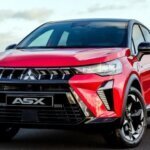 Mitsubishi ASX Oil Type: The Complete Guide to Choosing the Right Engine Oil
How the ASX Compares to Competitors
Is 63 Liters Above Average?
Compared to other compact SUVs:
- Many competitors offer 50–60 liters
- The ASX sits slightly above average
What This Means for Us
- Longer trips without stopping
- More flexibility in remote areas
- Less stress on long drives
It’s like having a bigger battery on your phone—you just feel more confident.
Fuel Tank Size by Model Year
Has It Changed Over Time?
Interestingly, the ASX has remained consistent:
- 2010–2025 models: ~63 liters
While many cars evolve dramatically, Mitsubishi kept this aspect stable—and honestly, it works.
Petrol vs Diesel: Does Tank Size Change?
Short Answer: Not Really
Both petrol and diesel versions of the ASX typically share:
- Same 63-liter tank
But There’s a Twist
Diesel engines are more efficient, meaning:
- Diesel ASX = Longer range per tank
So even with the same tank size, you might travel further.
City Driving vs Highway Driving
Why Your Range Isn’t Always the Same
Even with a 63-liter tank, your range depends on:
City Driving
- Frequent stops
- Lower fuel efficiency
- Shorter range
Highway Driving
- Consistent speed
- Better efficiency
- Longer range
So yes, the tank size stays the same—but your experience changes.
How Driving Style Impacts Your Fuel Tank Usage
Let’s be real—how we drive matters.
Aggressive Driving
- Rapid acceleration
- Higher fuel consumption
- More frequent refueling
Smooth Driving
- Gradual acceleration
- Better efficiency
- Maximum range
Think of it like spending money—fast spending drains your wallet, just like aggressive driving drains your tank.
Fuel Tank Size and Road Trip Planning
Why the ASX Is Road Trip Friendly
With a 63-liter tank, we can:
This content may interest you!Mitsubishi ASX Engine Capacity: Everything You Need to Know- Cover long distances without stress
- Plan fewer fuel stops
- Enjoy uninterrupted driving
Example Road Trip Scenario
Imagine a trip of 800 km:
- You might only need one stop—or none at all
That’s freedom on wheels.
Does Fuel Tank Size Affect Running Costs?
Not Directly, But…
A bigger tank doesn’t mean higher costs—it means:
- Fewer refueling stops
- Better planning
- Potential savings if fuel prices vary
Smart Strategy
Fill up when prices are low and maximize your tank capacity.
Fuel Tank Safety and Design
Modern Engineering at Work
The ASX fuel tank is designed with:
- Reinforced materials
- Strategic placement for safety
- Protection during collisions
What This Means for Us
- Peace of mind
- Reliable performance
- Safe fuel storage
How to Maximize Your Fuel Tank Efficiency
Want to get the most out of those 63 liters?
Simple Tips
- Maintain proper tire pressure
- Avoid unnecessary idling
- Use cruise control on highways
- Keep your car well serviced
Small habits, big impact.
Common Myths About Fuel Tank Size
Myth 1: Bigger Tank = Better Car
Not necessarily. Efficiency matters just as much.
Myth 2: You Should Always Fill to the Top
Overfilling can actually damage components.
Myth 3: Fuel Tank Size Changes Drastically by Trim
In the ASX, it stays consistent.
Real-World User Experience
From everyday drivers, we often hear:
- “I don’t need to refuel as often.”
- “Perfect for long drives.”
- “Reliable range every time.”
That’s the kind of feedback that tells us Mitsubishi got it right.
This content may interest you!Mitsubishi ASX Fuel Economy: Real-World MPG, Tips & InsightsEnvironmental Perspective
Does Tank Size Affect Emissions?
Not directly. However:
- Larger tanks = fewer refueling trips
- Efficient engines = lower emissions overall
So the ASX strikes a balance between practicality and responsibility.
Is the Mitsubishi ASX Fuel Tank Size Enough for You?
Let’s ask ourselves:
- Do we want fewer stops?
- Do we value long-distance capability?
- Do we prefer convenience?
If the answer is yes, then the ASX’s 63-liter tank hits the sweet spot.
Final Thoughts: The Sweet Spot of Capacity and Efficiency
The Mitsubishi ASX doesn’t try to reinvent the wheel—it perfects it. With a 63-liter fuel tank, it offers a balance that feels just right.
It’s not oversized. It’s not limited. It’s practical, reliable, and designed for real-world driving.
And honestly, that’s exactly what most of us need.
FAQs About Mitsubishi ASX Fuel Tank Size
1. What is the fuel tank capacity of the Mitsubishi ASX?
The Mitsubishi ASX has a fuel tank capacity of approximately 63 liters (16.6 gallons).
2. How far can the ASX go on a full tank?
Depending on driving conditions, it can travel around 700–900 km per tank.
3. Does the fuel tank size vary by model year?
No, it remains consistent across most model years at 63 liters.
4. Is the diesel version more efficient than petrol?
Yes, diesel models typically offer better fuel economy, resulting in a longer range.
5. How can I improve fuel efficiency in my ASX?
Drive smoothly, maintain your vehicle, and avoid excessive idling to maximize efficiency.
This content may interest you!Mitsubishi ASX Fuel Type: The Complete Guide to Choosing the Right Fuel
Leave a Reply